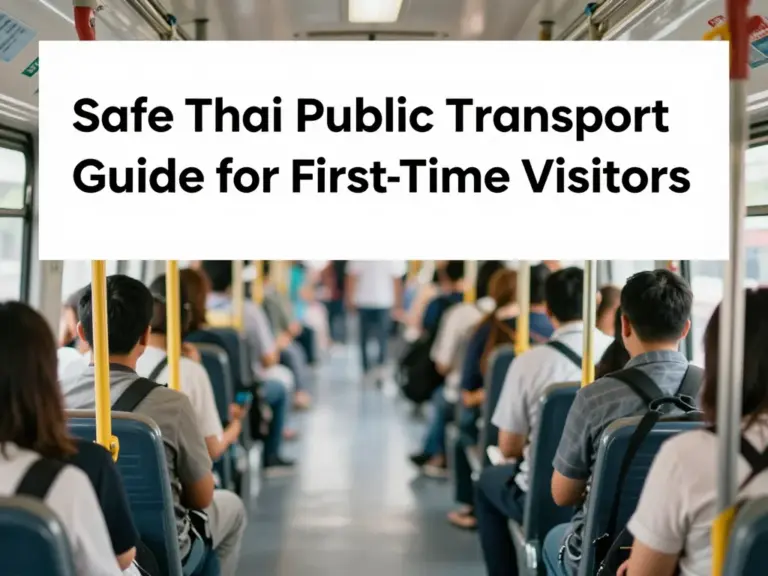
Public Transport in Thailand: A First-Time Visitor’s Guide to Staying Safe and Avoiding Legal Trouble
- Public Transport in Thailand: A First-Time Visitor’s Guide to Staying Safe and Avoiding Legal Trouble
Navigating public transport in Thailand is an essential part of the travel experience, offering everything from the futuristic BTS Skytrain in Bangkok to local songthaews in rural provinces. However, for a first-time visitor, the sheer variety of options—and the potential for scams or misunderstandings—can be overwhelming. This guide covers how to navigate the system safely while ensuring you stay on the right side of local laws and customs.
public transport in Thailand: Understanding the Types of Transport
Thailand offers a diverse range of transit modes. In major cities like Bangkok, you have access to modern rail systems, while other areas rely on road-based transport. Understanding what to choose is the first step in a stress-free journey.
Rail and Metro Systems
The BTS (Skytrain) and MRT (Subway) are the gold standards for efficiency in Bangkok. They are air-conditioned, reliable, and English-friendly. These systems are safe, but passengers should always remain aware of their surroundings during peak rush hours.
Taxis and Ride-Hailing Apps
While traditional taxis are abundant, ride-hailing apps like Grab and Bolt are often safer for tourists because they provide fixed pricing and digital trip logging. Always insist on using the meter if you choose a street taxi, or agree on a price beforehand if the driver refuses.
Safety Tips for Using Public Transport
Safety in Thailand is generally high, but petty crime and tourist-targeted scams do exist. Being proactive is the best defense against unpleasant surprises.
- Keep valuables secure: Use a crossbody bag and keep it in front of you on crowded trains or buses.
- Use official stops: Avoid hailing vehicles in dark, isolated areas at night.
- Share your location: Use ride-hailing apps that allow you to share your real-time GPS location with friends or family.
- Stay sober: Drunk behavior can make you a target for opportunistic crime.
Avoiding Legal and Cultural Trouble
Thailand has strict laws that visitors sometimes inadvertently break. Understanding local etiquette is crucial for avoiding legal complications.
Respecting Local Etiquette
Public transport is a shared space. Avoid loud phone conversations, eating smelly food, or putting feet on seats. Thai culture values ‘jai yen’ (a cool heart); getting angry or shouting at a driver or transport worker will rarely resolve a dispute and may cause you to lose face.
Comparison of Transport Options
| Mode | Reliability | Cost | Best For |
|---|---|---|---|
| BTS/MRT | High | Moderate | Avoiding traffic in Bangkok |
| Grab/Bolt | High | Variable | Door-to-door convenience |
| Tuk-Tuks | Low | High (tourist price) | Short, fun trips |
| Public Bus | Moderate | Very Low | Budget travelers |
Checklist: Your Transport Toolkit
Prepare these items before you head out to ensure a smooth trip:
- Download the Grab or Bolt app.
- Carry small denominations of Thai Baht (coins are essential for bus and boat fares).
- Save your hotel address in Thai on your phone.
- Purchase a Rabbit Card for seamless BTS travel.
- Keep a digital copy of your passport or travel insurance.
Conclusion
Navigating public transport in Thailand is an adventure that becomes much easier with a bit of preparation. By sticking to official services, using technology to your advantage, and respecting local laws and customs, you can focus on enjoying the vibrant sights and sounds of the Land of Smiles. Remember: patience is your best travel companion.
Frequently Asked Questions (FAQ)
A: Tuk-tuks are generally safe but often charge higher prices to tourists. Always agree on the fare before starting the trip.
A: Tipping is not mandatory, but rounding up the fare to the nearest 10 or 20 Baht is common and appreciated for good service.
A: Most rail systems accept contactless credit cards, but buses and boats usually require cash. Always carry some Baht.