- Thailand Cultural Etiquette for Seniors: Save Time and Navigate Customs
- Thailand cultural etiquette for seniors: Understanding the Wai and Greetings
- Respecting Religious Sites and Monks
- Dining Etiquette and Social Graces
- Navigating Public Spaces and Transportation
- A Comparison of Traditional and Modern Interactions
- Essential Checklist for Senior Travelers in Thailand
- Frequently Asked Questions (FAQ)
- Frequently Asked Questions (FAQ)
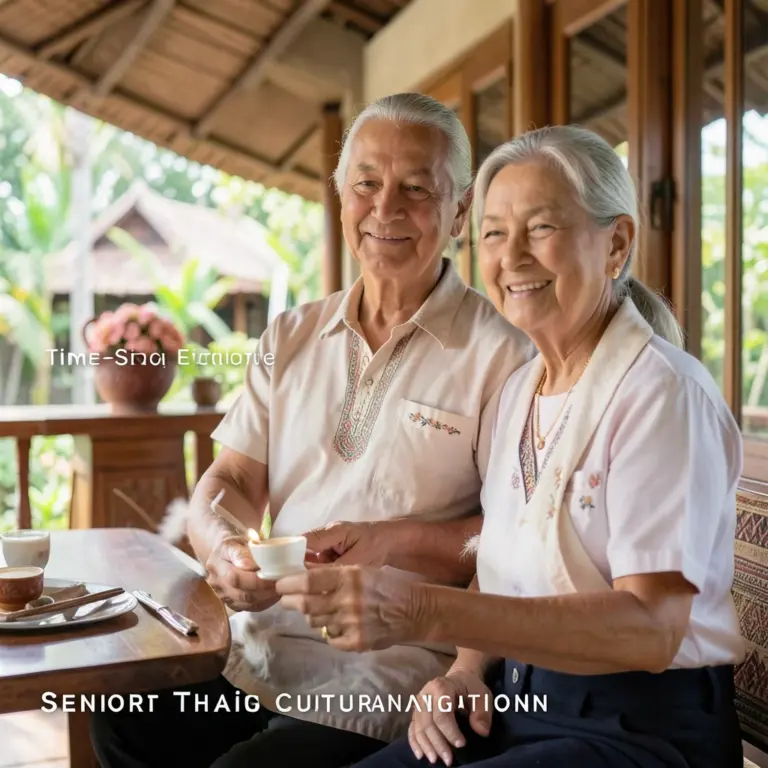
Thailand cultural etiquette for seniors: Traveling to Thailand as a senior offers a rich tapestry of experiences, from serene temples to vibrant street life. To make the most of your journey and ensure smooth interactions, understanding local cultural etiquette is paramount. This guide focuses on key customs and considerations specifically for seniors, helping you navigate Thailand with respect, save time, and foster positive connections.
Thailand cultural etiquette for seniors: Understanding the Wai and Greetings
The ‘Wai’ is the traditional Thai greeting, a slight bow with palms pressed together. As a senior traveler, you’ll often receive the Wai first. While it’s polite to return it, there’s no need for an elaborate gesture. A simple, gentle Wai with a smile is sufficient. For younger people or service staff, a slight nod or smile is also acceptable. When addressing individuals, using ‘Khun’ (meaning ‘you’ or ‘Mr./Ms.’) before their name is a sign of respect. For instance, ‘Khun Somchai’. This simple courtesy can go a long way in demonstrating your respect for Thai culture.
Respecting Religious Sites and Monks
Thailand is predominantly Buddhist, and respect for religious sites and monks is deeply ingrained. When visiting temples, dress modestly: cover your shoulders and knees. Remove your shoes before entering temple buildings. Avoid pointing your feet at Buddha images or monks. Monks are highly revered; women should avoid touching them or handing items directly to them. If you need to give something to a monk, place it on a table or hand it to a male intermediary. Seniors might find that many temples offer quieter, less crowded times, often in the early morning, allowing for a more contemplative visit.
Dining Etiquette and Social Graces
Thai cuisine is a highlight for many visitors. When dining, particularly in more formal settings, wait for your host to start eating. Chopsticks are typically used for noodle dishes, while spoons and forks are common for rice-based meals. The fork is usually held in the left hand to push food onto the spoon, which is then used to eat. Remember that many Thai dishes are meant to be shared. It’s considered polite to try a bit of everything offered. For seniors, pace yourself and enjoy the flavors without feeling pressured to overeat. When paying the bill, especially if invited, offering to contribute or paying for the next meal can be a graceful gesture, though often the host will insist on covering the costs.
Public spaces in Thailand are generally friendly. However, certain norms apply. Avoid loud conversations or disruptive behavior. When using public transport like buses or the BTS Skytrain, always offer your seat to elders, pregnant women, or those with disabilities. Many stations and public vehicles have designated priority seating which can be a great help for seniors. When taking taxis, agree on the fare beforehand or ensure the meter is used. For longer distances or specific tours, booking in advance can save time and reduce stress, allowing for more comfortable arrangements.
Understanding the Head and Feet
In Thai culture, the head is considered the most sacred part of the body, while the feet are the lowest. Therefore, avoid touching anyone’s head, even a child’s, as a gesture of affection. Conversely, be mindful not to point your feet at people, religious icons, or doorways. When sitting, try to tuck your feet away or point them downwards. This principle extends to the arrangement of objects; never place items, especially on top of someone’s head.
A Comparison of Traditional and Modern Interactions
| Aspect | Traditional Thai Etiquette | Modern Thai Interaction (especially in tourist areas) |
|---|---|---|
| Greeting | Formal Wai, deep respect for elders | Wai still common, but smiles and nods are accepted; less formality in casual settings |
| Dress Code | Modest, covering shoulders and knees for temples/formal events | More relaxed in tourist zones, but modesty is always appreciated in religious or formal settings |
| Personal Space | Generally close, but direct touch on head is taboo | Respect for personal space is increasing, especially with foreigners |
| Public Transport | Strong emphasis on giving seats to elders and vulnerable groups | Priority seating is marked and expected to be used; general courtesy prevails |
Essential Checklist for Senior Travelers in Thailand
- Greetings: Learn to offer a gentle Wai and use ‘Khun’ with names.
- Dress Code: Pack modest clothing for temple visits (shoulders/knees covered).
- Religious Sites: Remove shoes, avoid pointing feet at Buddha images or monks.
- Dining: Try shared dishes, use spoon and fork for rice meals, wait for host to begin.
- Public Transport: Offer seats to those in need and utilize priority seating.
- Feet & Head: Be mindful not to touch heads or point feet at people.
- Communication: Speak softly and avoid public displays of anger.
- Health: Stay hydrated and consult your doctor regarding necessary vaccinations or precautions.
- Transportation: Agree on fares or use the meter for taxis; consider pre-booking for comfort.
Frequently Asked Questions (FAQ)
Frequently Asked Questions (FAQ)
Q1: Is it offensive for a senior to not perform the Wai?
A1: Generally, no. While returning the Wai is appreciated, Thais understand that foreigners may not be familiar with the custom. A smile and a slight nod are perfectly acceptable alternatives, especially if you are receiving the Wai from someone younger or in a service role.
Q2: Can seniors easily access tourist attractions in Thailand?
A2: Most major tourist attractions are equipped to handle visitors of all ages, including seniors. Many sites have ramps, elevators, and rest areas. However, some historical sites or natural attractions might involve uneven terrain or stairs. It’s advisable to check in advance or travel at a comfortable pace.
Q3: What is the best way for seniors to handle currency exchange and payments?
A3: Major hotels and tourist areas have currency exchange booths and ATMs. Credit cards are widely accepted in hotels, larger restaurants, and department stores. For smaller vendors or street food, cash is essential. It’s wise to carry a mix of cash and cards. Inform your bank about your travel plans to avoid any issues with your cards.
Q4: Are there any specific health considerations for seniors traveling to Thailand?
A4: Stay hydrated, especially in the tropical climate. Be cautious with street food if you have a sensitive stomach. Consult your doctor about vaccinations and any personal health needs. Many pharmacies are well-stocked, and medical facilities in major cities are excellent.
Conclusion
Embracing Thailand’s rich culture doesn’t have to be daunting, especially for senior travelers. By understanding and practicing these simple etiquette guidelines, you can ensure a more respectful, comfortable, and enriching experience. From polite greetings to mindful temple visits and dining customs, a little knowledge goes a long way. Enjoy the warmth of Thai hospitality and the beauty of the ‘Land of Smiles’ at your own pace, with confidence and grace.