Nakhon Si Thammarat Travel Guide: Hidden Gems for Adventure Seekers and Photographers
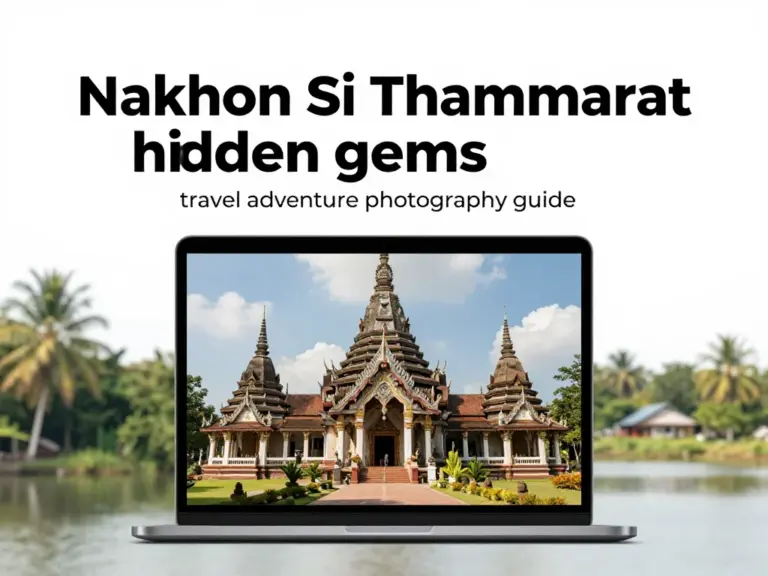
Nakhon Si Thammarat, often overlooked in favor of its bustling coastal neighbors like Phuket or Krabi, remains one of Southern Thailand’s most authentic and visually stunning provinces. If you are an adventure seeker looking for raw, untouched nature or a photographer chasing the perfect golden hour light over misty mountains, this Nakhon Si Thammarat travel guide is your gateway to the region’s best-kept secrets. From the towering peaks of Luang Mountain to the ancient architecture of Wat Phra Mahathat, the province offers a unique blend of spiritual heritage and rugged outdoor exploration.
Nakhon Si Thammarat travel guide: Why Choose Nakhon Si Thammarat for Your Next Expedition?
Unlike the heavily commercialized tourism hubs of the Andaman coast, Nakhon Si Thammarat—locally known as ‘Nakhon’—offers a slower, more deliberate pace. It is the cradle of Southern Thai culture, where ancient traditions are still practiced daily. For adventure seekers, the terrain here is dynamic, featuring the highest peaks in the South, dense rainforests, and expansive, quiet beaches. Photographers will find a wealth of opportunities, from the dramatic silhouette of the giant Chedi at Wat Phra Mahathat to the ethereal, early-morning fog at Ban Khiri Wong.
Top Hidden Gems for Adventure Seekers
If you are looking to get your heart racing and explore off-the-beaten-path locations, prioritize these spots. These areas are less frequented by large tour groups, allowing for a more intimate connection with nature.
1. Khao Luang National Park
Home to the highest peak in Southern Thailand, Khao Luang is a paradise for hikers. The trek to the summit requires endurance and preparation, but the panoramic views of the entire peninsula are unmatched. The park is teeming with biodiversity, including rare orchids and diverse wildlife species.
2. Krung Ching Waterfall
This multi-tiered waterfall is a spectacle for those willing to hike through the jungle. The highest tier, often shrouded in mist, provides a dramatic backdrop for landscape photography. The journey to the waterfall is as rewarding as the destination itself, winding through ancient forest trails.
Best Locations for Travel Photography
Capturing the essence of Nakhon Si Thammarat requires a mix of cultural and landscape photography. Here are the must-visit locations for your portfolio.
| Location | Best Time to Shoot | Subject Matter |
|---|---|---|
| Wat Phra Mahathat | Sunrise / Sunset | Architecture, Culture, Silhouettes |
| Ban Khiri Wong | Early Morning | Village Life, Mountains, Mist |
| Pak Phanang | Late Afternoon | Coastal Life, Fishing Boats |
| Khao Luang Summit | Dawn | Panoramas, Flora, Clouds |
Practical Tips for Your Trip
Planning a trip to a less-visited province requires a bit more logistical foresight. Use this checklist to ensure you are prepared for your adventure:
- Transportation: Renting a car or motorbike is essential. Public transport is limited between rural attractions.
- Gear: Carry a sturdy tripod for long-exposure photography at waterfalls and low-light architecture shots.
- Respect: When visiting temples like Wat Phra Mahathat, always dress modestly (shoulders and knees covered).
- Connectivity: Download offline maps, as cell service can be spotty in the deep mountainous regions of the national parks.
Conclusion
Nakhon Si Thammarat is a destination that rewards the curious. By stepping away from the typical tourist trail, you gain access to a side of Thailand that feels preserved in time. Whether you are trekking the slopes of Khao Luang or capturing the first light hitting the Chedi of Wat Phra Mahathat, this Nakhon Si Thammarat travel guide serves as your starting point. Pack your camera gear, bring your sense of adventure, and prepare to discover one of the most beautiful corners of the South.
Frequently Asked Questions (FAQ)
A: The best time to visit is from February to April. This period offers the driest weather, which is ideal for hiking in Khao Luang National Park and general outdoor photography.
A: Yes, it is generally very safe. Thai people are hospitable, and the province is accustomed to domestic tourism. However, standard travel precautions apply, especially when hiking in remote areas.
A: While some trails are well-marked, hiring a local guide is highly recommended for the main summit trek. They provide essential safety knowledge and can help you navigate the complex terrain.