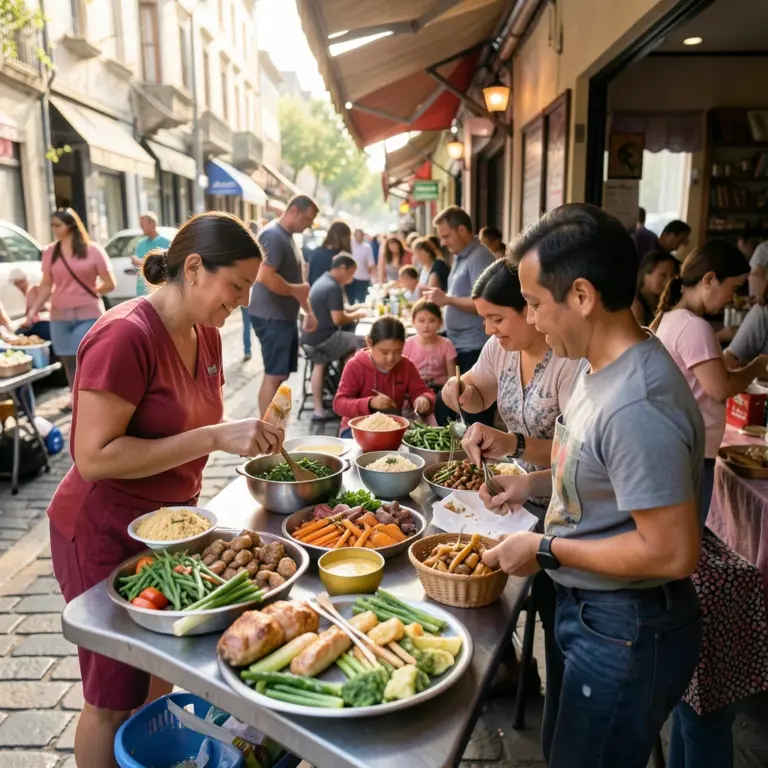
Thailand Street Food & Hygiene for Families: A Money-Saving Safety Guide
- Thailand Street Food & Hygiene for Families: A Money-Saving Safety Guide
- Thailand street food hygiene for families: Why Choose Street Food in Thailand?
- Navigating Hygiene: Essential Tips for Families
- Money-Saving Strategies Without Compromising Safety
- Common Street Food Pitfalls and How to Avoid Them
- A Comparison: Street Food vs. Restaurant Dining for Families
- Checklist: Your Family’s Street Food Safety Guide
- Conclusion
- Frequently Asked Questions (FAQ)
Thailand street food hygiene for families: Embarking on a family adventure in Thailand promises a feast for the senses, and its world-renowned street food is a significant part of that experience. Offering incredible flavors at unbeatable prices, street food is a fantastic way to save money while immersing yourselves in local culture. However, for families, especially those with young children, concerns about hygiene and safety are paramount. This guide will equip you with practical tips to navigate Thailand’s vibrant street food scene, ensuring delicious, safe, and memorable meals for everyone.
Thailand street food hygiene for families: Why Choose Street Food in Thailand?
Thailand’s street food culture is legendary, offering an authentic taste of the country that often surpasses restaurant fare. From savory Pad Thai and spicy Som Tum to sweet mango sticky rice, the variety is astounding. Beyond the culinary delights, street food is remarkably affordable, allowing families to enjoy multiple meals without breaking the bank. This accessibility makes it an ideal option for travelers looking to stretch their budget while experiencing the heart of Thai cuisine. For families, it provides flexibility, allowing you to grab a quick bite between sightseeing or enjoy a leisurely family meal at a bustling night market.
Ensuring good Thailand street food hygiene for families is about making informed choices. While many vendors adhere to high standards, a little vigilance goes a long way. Here’s how to approach it:
Choosing Your Vendor Wisely
- Look for Busy Stalls: High turnover means ingredients are likely fresh. A long queue of locals is often a good sign.
- Observe Food Preparation: Is the vendor using clean utensils? Are raw and cooked foods kept separate? Do they handle money and food with the same hands? If so, look elsewhere.
- Check for Cleanliness: A clean cooking area, proper waste disposal, and vendors wearing aprons or hairnets are positive indicators.
- Assess Ingredient Storage: Are raw meats and vegetables stored at appropriate temperatures? Are cooked foods covered to protect them from insects?
Food Safety Practices
- Opt for Hot, Freshly Cooked Food: Food cooked to order at high temperatures is generally safer. Avoid pre-cooked items that have been sitting out.
- Be Cautious with Ice: In tourist areas, ice is usually made from purified water and is safe. However, if in doubt, stick to bottled drinks.
- Peel Fruits and Vegetables: If eating raw produce, ensure it’s been washed with purified water or opt for fruits you can peel yourself.
- Consider Your Children’s Sensitivity: Start with milder flavors and dishes. Introduce new foods gradually to gauge your children’s reactions.
Money-Saving Strategies Without Compromising Safety
Street food is inherently budget-friendly, but here are ways to maximize savings while staying safe:
Smart Choices for Families
- Portion Control: Order smaller portions for children or share dishes. Many vendors are happy to accommodate.
- Look for Local Favorites: Dishes that are staples for locals are often the most affordable and authentic.
- Set a Daily Food Budget: Decide on a reasonable amount to spend on street food each day and stick to it.
- Hydration is Key: Buy large bottles of water from convenience stores rather than small, expensive ones from vendors.
- Avoid Tourist Traps: Stalls in highly touristy areas might be pricier. Venture a block or two away for better value.
Common Street Food Pitfalls and How to Avoid Them
While the rewards are great, potential risks exist. Understanding these helps in prevention:
- Cross-Contamination: This is a major concern. Watch for vendors using the same cutting board or utensils for raw and cooked items.
- Inadequate Cooking Temperatures: Undercooked meats can harbor bacteria. Ensure dishes like stir-fries or grilled items are thoroughly cooked.
- Improper Food Storage: Food left out at room temperature for extended periods can become a breeding ground for bacteria.
- Water Quality: While less common in major cities, be mindful of the water used for washing produce or in drinks if you have a sensitive stomach.
Pro Tip: If you have a particularly sensitive child, consider carrying a small bottle of hand sanitizer to use before eating.
A Comparison: Street Food vs. Restaurant Dining for Families
| Feature | Street Food | Restaurant Dining |
|---|---|---|
| Cost | Very Affordable | Moderate to Expensive |
| Authenticity | High | Varies, can be adapted |
| Hygiene Risk | Requires Vigilance | Generally Higher Standards, but not guaranteed |
| Speed of Service | Fast | Moderate |
| Variety | Extensive, diverse | Can be more limited, curated |
| Family Friendliness | Casual, vibrant atmosphere | Can be formal or casual, often quieter |
| Safety Control | Vendor-dependent, requires self-assessment | Restaurant policies, chef training |
Checklist: Your Family’s Street Food Safety Guide
- [ ] Choose busy stalls with visible local patronage.
- [ ] Observe the vendor’s cleanliness and food handling practices.
- [ ] Prioritize hot, freshly cooked dishes.
- [ ] Ensure raw and cooked ingredients are handled separately.
- [ ] Opt for fruits you can peel yourself.
- [ ] Drink bottled water or beverages.
- [ ] When in doubt, choose a different stall or restaurant.
- [ ] Carry hand sanitizer for use before eating.
Conclusion
Thailand’s street food is an unmissable part of any family trip, offering a delicious and economical way to experience the local culture. By staying informed and making mindful choices regarding Thailand street food hygiene for families, you can confidently explore the culinary landscape. Prioritize freshness, observe preparation, and trust your instincts. With a little preparation, your family can savor the incredible flavors of Thailand’s streets safely and affordably, creating cherished memories one delicious bite at a time.
Frequently Asked Questions (FAQ)
Is it safe for babies and toddlers to eat Thai street food?
For babies and toddlers, it’s best to be extra cautious. Opt for very mild, well-cooked dishes. Plain rice, steamed vegetables, or simple noodle soups are often good choices. Avoid anything too spicy, oily, or with raw ingredients. Ensure dishes are thoroughly cooled before serving.
What if my child has allergies? How do I communicate this at a street food stall?
Communicating allergies can be challenging. It’s advisable to learn key phrases in Thai for your child’s specific allergens (e.g., peanuts, shellfish, soy). Carrying allergy cards with the allergen written in Thai can also be very helpful. If there’s any doubt about cross-contamination or ingredients, it’s safer to choose a different vendor or a restaurant.
Are there specific times of day that are better for street food with kids?
Evening markets are popular and vibrant, offering a great atmosphere. However, for younger children, daytime or early evening might be less crowded and overwhelming. Many vendors also operate during lunch hours. The key is to find stalls that are busy and appear clean, regardless of the time.
What are the best budget-friendly Thai street food dishes for families?
Excellent choices include Pad See Ew (wide noodles with soy sauce), Khao Pad (fried rice), simple noodle soups (Kuay Teow), grilled chicken or pork skewers (Moo Ping/Gai Ping), and various fresh fruit shakes. Mango sticky rice is a delightful, safe dessert option.