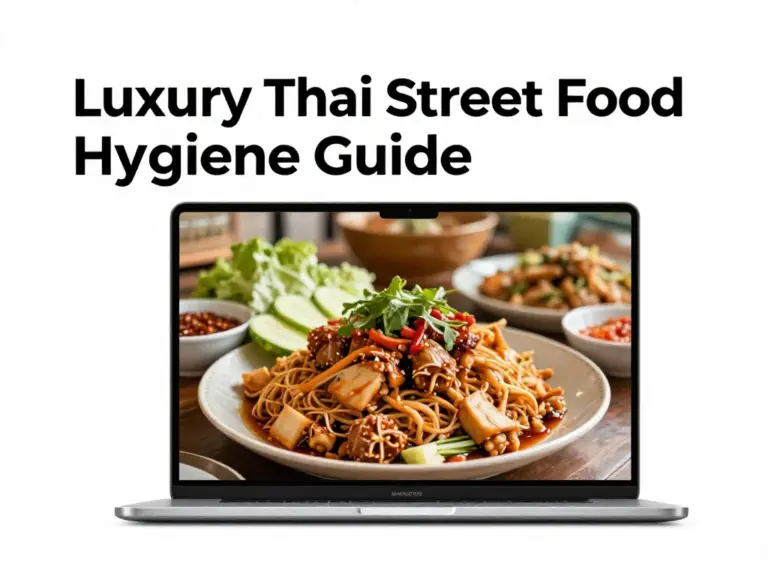
Street Food and Hygiene in Thailand: A Luxury Seeker’s Guide to Safe, Smart Spending
- Street Food and Hygiene in Thailand: A Luxury Seeker’s Guide to Safe, Smart Spending
For the luxury traveler, the vibrant world of street food and hygiene in Thailand presents a fascinating paradox. You want the authentic, Michelin-recognized flavors that define the local culinary scene, but you demand the safety standards of a high-end resort. The good news is that you don’t have to choose between an adventurous palate and a healthy stomach. By applying a systematic, risk-management approach to your dining choices, you can navigate the bustling stalls of Bangkok, Chiang Mai, and beyond with confidence, ensuring your gastronomic journey remains a highlight rather than a health hazard.
street food and hygiene in Thailand: The Reality of Street Food Safety
Many visitors mistakenly believe that price equals safety. While luxury restaurants offer a controlled environment, street food in Thailand is often fresher because of the high turnover rate. The primary risk factor is not necessarily the ‘street’ location, but the temperature control of raw ingredients and the sanitation practices of the vendor. When assessing street food and hygiene in Thailand, you are looking for evidence of high-velocity operations where ingredients do not sit in the ‘danger zone’ for bacterial growth.
How to Evaluate a Vendor: The Luxury Seeker’s Checklist
Before committing to a meal, perform a quick visual audit. Even in the most casual settings, standard hygiene markers are visible to the trained eye. Use this checklist to filter your options:
- High Turnover: Choose stalls with a constant queue of locals. A busy stall means ingredients are fresh and haven’t been sitting out.
- Cooking Process: Prioritize dishes cooked to order at high heat. Boiling, frying, and steaming are safer than raw or cold preparations.
- Sanitation Tools: Look for vendors who use tongs, gloves, or separate hands for handling cash versus handling food.
- Water Source: Ensure the stall uses bottled or purified water, not tap water, for ice and washing.
- Cleanliness of Surfaces: While it is ‘street’ food, the prep station should be organized, with raw meats kept separate from cooked items.
Comparing Dining Environments
Understanding where you eat is just as important as what you eat. Use the table below to decide which environment suits your comfort level while still maintaining an authentic experience.
| Setting | Hygiene Standards | Pros | Cons |
|---|---|---|---|
| Luxury Food Courts (Malls) | High/Regulated | Air-conditioned, clean, diverse selection | Less ‘gritty’ atmosphere |
| Established Street Vendors | Moderate | Authentic, high turnover, reliable | Outdoor exposure |
| Night Markets | Variable | Best variety, lively atmosphere | Harder to vet individual stalls |
| Roadside Carts | Low | Hyper-local | Higher risk of temperature abuse |
Smart Spending: Balancing Luxury and Local
Smart spending doesn’t mean finding the cheapest meal; it means finding the best value-to-risk ratio. In Thailand, luxury seekers often find that high-end malls like Siam Paragon or EmQuartier host ‘street food’ sections. These areas curate the best vendors from around the country, providing the authentic taste of the street with the air-conditioned, sanitary oversight of a premium establishment. This is the ultimate ‘smart’ compromise for those who want the flavor without the uncertainty.
Common Pitfalls and How to Avoid Them
Conclusion
Navigating street food and hygiene in Thailand is entirely manageable with a discerning eye. By prioritizing high-turnover stalls, watching the cooking process, and opting for reputable food courts when in doubt, you can enjoy the exquisite flavors of Thai cuisine without compromising your health. Remember, the goal is to enjoy the culture, not just observe it—and there is no better way to do that than by eating where the locals eat, safely and intelligently.
Frequently Asked Questions (FAQ)
Is it safe for tourists to eat street food in Thailand?
Should I avoid ice in my drinks?
Are food courts in malls considered ‘street food’?
References
For further information on travel health, consult the CDC Travelers’ Health guidelines for Thailand regarding food and water safety.