Samut Songkhram Travel Guide: Discover Ancient Temples and Spiritual Wonders
- Samut Songkhram Travel Guide: Discover Ancient Temples and Spiritual Wonders
Welcome to your comprehensive Samut Songkhram travel guide, your gateway to uncovering the serene spiritual wonders and ancient temples of this unique Thai province. Nestled by the Mae Klong River, Samut Songkhram offers a tranquil escape from the bustling city, inviting visitors to immerse themselves in rich history, vibrant local life, and profound spirituality. This guide is crafted for travelers seeking authentic experiences, focusing on the awe-inspiring temples and cultural landmarks that define this captivating region.
Samut Songkhram travel guide: Unveiling the Spiritual Heart of Samut Songkhram
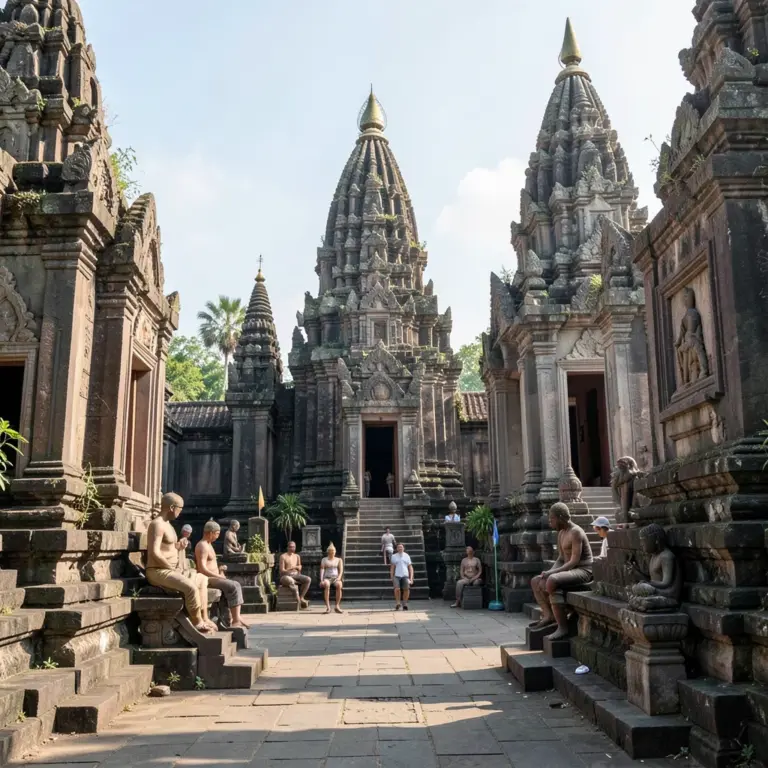
Samut Songkhram, often called the “Town of Five-Minute Floating Markets” due to its proximity to several famous water markets, is also a treasure trove of sacred sites. Its temples are not just places of worship but living museums, showcasing centuries of art, architecture, and devotion. Each temple tells a story, from the intricate murals depicting Buddhist tales to the serene statues that inspire contemplation. Exploring these spiritual havens is central to understanding the province’s cultural identity and its deep-rooted connection to Buddhism.
Must-Visit Ancient Temples
The province is dotted with temples, each possessing its own unique charm and historical significance. Here are some of the most notable spiritual sites you shouldn’t miss:
Wat Bang Kung: The Temple Encased in a Banyan Tree
Perhaps the most iconic and visually striking temple in Samut Songkhram, Wat Bang Kung is famous for its main chapel that has been completely enveloped by the roots and branches of a massive banyan tree. Stepping inside this natural sanctuary feels like entering another world. The interior houses a revered Buddha image, and the experience of worshipping within the embrace of nature is profoundly moving. The contrast between the ancient wooden structure and the vibrant green foliage creates a surreal and unforgettable atmosphere.
Wat Phra Non: The Reclining Buddha of Tranquility
Wat Phra Non is home to an impressive, large reclining Buddha statue that exudes an aura of peace and serenity. The sheer size and detailed craftsmanship of the statue are remarkable, offering a focal point for meditation and reflection. The temple grounds are usually quiet and well-maintained, providing a peaceful environment for visitors to escape the heat and contemplate.
Wat Suan Luang: A Glimpse into Local Life and Faith
This temple offers a more intimate look into the daily spiritual lives of the local communities. While perhaps less grand than some other temples, Wat Suan Luang is cherished by residents and provides a genuine cultural experience. Visitors can observe local rituals and appreciate the simpler, yet equally meaningful, expressions of faith.
Wat Koong Tha Mak: Riverside Serenity
Located along the banks of the Mae Klong River, Wat Koong Tha Mak offers beautiful riverside views and a peaceful ambiance. It’s a perfect spot to enjoy the tranquility of the area and appreciate the harmonious blend of nature and spirituality that characterizes Samut Songkhram.
Beyond the Temples: Experiencing Samut Songkhram’s Wonders
While the ancient temples are a primary draw, a Samut Songkhram travel guide must also highlight the other unique attractions that make this province so special:
The Mae Klong Railway Market (Talad Rom Hub)
Witness the extraordinary spectacle of vendors quickly retracting their stalls and goods as a train approaches and then resuming their business immediately after it passes. This is one of the most unique markets in Thailand, offering a thrilling and authentic glimpse into local commerce.
Amphawa Floating Market
Famous for its seafood sold directly from boats, the Amphawa Floating Market comes alive in the late afternoon and evening, especially on weekends. It’s a fantastic place to sample local delicacies and soak in the lively atmosphere.
King Rama II Memorial Park
This beautiful park is dedicated to King Rama II and features traditional Thai houses, a museum, and serene gardens. It offers a peaceful retreat and a chance to learn more about Thai history and culture.
Planning Your Samut Songkhram Visit
To make the most of your trip, consider these practical tips:
| Aspect | Details | Tips for Travelers |
|---|---|---|
| Best Time to Visit | November to February (Cooler, dry season) | Avoid the hottest months (April-May). Weekends are busiest for markets. |
| Getting There | From Bangkok: Bus, van, or private car (approx. 1.5-2 hours) | Public transport is affordable and frequent. |
| Getting Around | Songthaews, tuk-tuks, motorcycle taxis, boat tours | Negotiate fares beforehand. Consider a day tour for convenience. |
| What to Pack | Light clothing, hat, sunscreen, insect repellent, comfortable shoes | Modest attire (shoulders and knees covered) is required for temples. |
| Local Etiquette | Respectful behavior at temples, dress modestly | Remove shoes before entering temple buildings. Avoid pointing feet at Buddha images. |
Essential Packing Checklist for Temple Visits
Visiting temples requires a degree of modesty and respect. Here’s a checklist to ensure you’re prepared:
- Appropriate Clothing: Long pants or skirts covering the knees, and tops that cover the shoulders (no tank tops or sleeveless shirts).
- Comfortable Footwear: You’ll be doing a lot of walking, and you’ll need to remove shoes frequently. Opt for easy slip-on shoes.
- Scarf or Sarong: A versatile item that can be used to cover up if your clothing is deemed too revealing.
- Respectful Demeanor: Be mindful of your voice level and actions within sacred spaces.
Conclusion
Samut Songkhram offers a unique blend of spiritual serenity and vibrant local culture, making it an essential destination for anyone seeking an authentic Thai experience. From the awe-inspiring banyan-encased temple of Wat Bang Kung to the bustling energy of its famous markets, this province promises memorable journeys. This Samut Songkhram travel guide has aimed to equip you with the knowledge to explore its ancient temples and spiritual wonders with ease and appreciation. Plan your visit, embrace the tranquility, and discover the captivating soul of Samut Songkhram.
Frequently Asked Questions (FAQ)
What is the most famous temple in Samut Songkhram?
The most famous temple is undoubtedly Wat Bang Kung, known for its main chapel completely encased by a large banyan tree.
When is the best time to visit Samut Songkhram’s floating markets?
Amphawa Floating Market is most vibrant on Friday, Saturday, and Sunday afternoons and evenings. The Railway Market (Talad Rom Hub) operates daily, but the train times are specific.
Do I need to dress modestly when visiting temples in Samut Songkhram?
Yes, it is essential to dress modestly when visiting temples. This means covering your shoulders and knees. Avoid sleeveless tops, shorts, and short skirts.
How far is Samut Songkhram from Bangkok?
Samut Songkhram is approximately 70-80 kilometers southwest of Bangkok, taking about 1.5 to 2 hours to reach by car, bus, or van.
Are there any unique natural attractions in Samut Songkhram?
While known for its cultural sites, the province’s proximity to the coast and the Mae Klong River offers opportunities for boat tours and experiencing the local riverside environment. The unique spectacle of the Railway Market is also a major draw.
References
No external references were used in the creation of this article.