Nong Khai Travel Guide: Authentic Hidden Gems for Adventure Seekers
- Nong Khai Travel Guide: Authentic Hidden Gems for Adventure Seekers
Nong Khai, a serene province nestled along the mighty Mekong River in northeastern Thailand, offers a distinct escape from the crowded tourist trails. Often overlooked by travelers rushing to Chiang Mai or the southern islands, this region provides an authentic glimpse into Isan culture. This Nong Khai travel guide is designed for those who crave adventure, cultural immersion, and the quiet beauty of a slower pace of life. Whether you are cycling along the riverbank or exploring mysterious sculpture parks, Nong Khai promises experiences that stay with you long after you leave.
Nong Khai travel guide: Why Nong Khai Should Be Your Next Adventure
Unlike the bustling nightlife hubs of Bangkok or Pattaya, Nong Khai is defined by its tranquility and the rhythmic flow of the Mekong. It serves as the gateway to Laos, but it is a destination in its own right. Adventure seekers are drawn here for the unique geography, the mysterious religious iconography, and the opportunity to engage with local communities that have retained their traditions despite the encroachment of modern tourism.
The region is perfect for travelers who enjoy cycling, photography, and historical exploration. The climate is tropical, and the landscape is defined by vast rice fields, limestone hills, and the ever-present Mekong River, which dictates the rhythm of daily life for the local people.
Must-Visit Hidden Gems in Nong Khai
To truly appreciate this province, you must venture beyond the city center. Here are the spots that provide the most authentic experiences for the intrepid traveler.
1. Sala Keoku (Wat Khaek)
This is not your typical Thai temple. Sala Keoku is a surreal park filled with massive concrete sculptures inspired by Buddhism and Hinduism. Created by a mystic named Luang Pu Bunleua Sulilat, these towering figures—some reaching over 20 meters—create an eerie yet fascinating atmosphere. It is a must-see for anyone interested in unconventional religious art and photography.
2. The Mekong Riverside Promenade
The riverside area is the heart of the city. In the evenings, it transforms into a vibrant walking street market. Renting a bicycle to ride along the paved path during sunset is one of the most rewarding activities in this Nong Khai travel guide. You will witness the sun dipping below the horizon on the Laotian side, casting a golden glow over the Mekong.
3. Phu Huay Isan
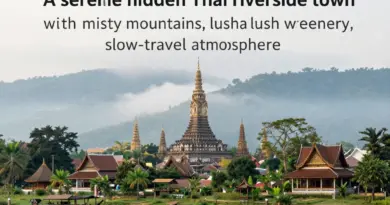
For the adventurous, a trip to the Sangkhom district to witness the sea of mist at Phu Huay Isan is essential. You will need to take a local transport truck (E-Tan) up the mountain before dawn. The reward is a breathtaking panoramic view of the Mekong River winding through the mist-covered mountains of Thailand and Laos.
Practical Travel Comparison: Nong Khai vs. Other Isan Destinations
| Feature | Nong Khai | Udon Thani | Khon Kaen |
|---|---|---|---|
| Vibe | Quiet & Scenic | Urban & Commercial | Modern & Academic |
| Best For | Nature & Relaxation | Shopping & Transit | Nightlife & Culture |
| Mekong Access | Direct/Excellent | None | None |
| Adventure Level | High (Hiking/Cycling) | Moderate | Moderate |
Adventure Checklist for Nong Khai
Before you head out, ensure you are prepared for the unique terrain and climate of Northeast Thailand. Use this checklist to organize your trip:
- Transport: Rent a scooter or bicycle for local exploration.
- Footwear: Bring comfortable walking shoes for temple grounds and light hiking.
- Clothing: Pack modest attire for temples (shoulders and knees covered).
- Connectivity: Download offline maps; remote areas may have limited signal.
- Sun Protection: The river reflection intensifies UV rays; bring a hat and sunscreen.
- Language: Learn a few basic Thai or Isan phrases, as English is less common than in tourist hubs.
Cultural Etiquette and Local Insights
Nong Khai is a deeply traditional area. Respect is paramount. When visiting temples, always remove your shoes before entering buildings. Avoid pointing your feet at Buddha statues or monks. Engaging with locals is encouraged—Isan people are known for their hospitality. A simple smile and a ‘wai’ (pressing palms together) go a long way in building rapport.
Food is another highlight. Do not leave without trying ‘Som Tum’ (papaya salad) prepared in the Isan style, which is often spicier and punchier than the central Thai version. The local river fish, caught fresh from the Mekong, is also a culinary staple you should not miss.
Conclusion
Nong Khai offers a refreshing alternative to the typical Thai vacation. By focusing on authentic experiences—from the surreal sculptures of Sala Keoku to the misty sunrises at Phu Huay Isan—you can discover a side of Thailand that remains peaceful and deeply connected to its roots. Use this Nong Khai travel guide as a starting point, but leave room for spontaneity. The best adventures here are often the ones you find by taking the road less traveled.
Frequently Asked Questions (FAQ)
A: The cool season, from November to February, is ideal. The weather is pleasant for outdoor activities, and the morning mists at mountainous viewpoints are most likely to appear.
A: Yes, Nong Khai is considered very safe for solo travelers. The local population is friendly, and the crime rate is low. However, always exercise standard travel precautions.
A: Yes, the Thai-Lao Friendship Bridge is located in Nong Khai. It is a major border crossing, and you can obtain a visa on arrival for Laos if eligible.
A: You can take an overnight train from Krung Thep Aphiwat Central Terminal, a domestic flight to Udon Thani followed by a short bus ride, or a direct bus from Mochit Bus Terminal.