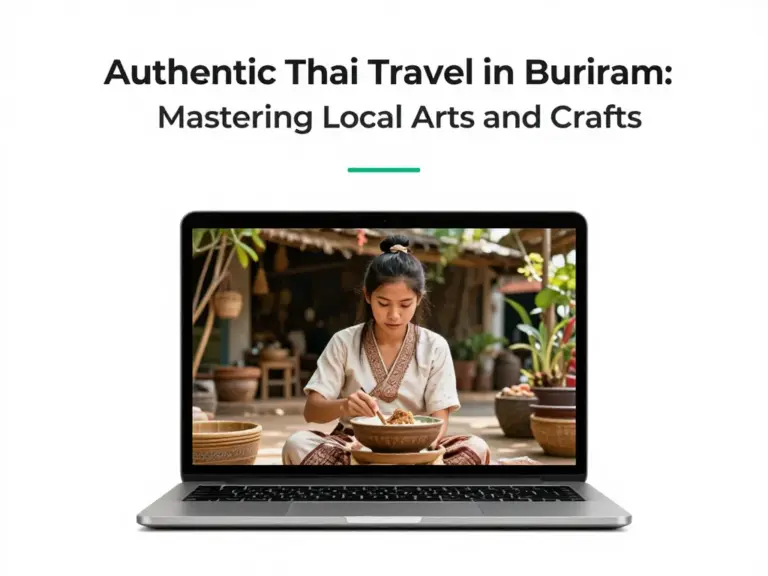
Mastering Local Arts and Crafts in Buriram: A Local’s Guide to Authentic Thai Travel
When travelers think of Buriram, they often picture the high-octane energy of the Chang International Circuit or the ancient grandeur of Phanom Rung Historical Park. However, truly mastering local arts and crafts in Buriram requires stepping away from the main tourist trail and diving into the heart of Isan village life. This region is a treasure trove of intricate textiles, traditional pottery, and folk wisdom passed down through generations. For the authentic traveler, these crafts are not just souvenirs; they are the living history of the Khmer and Lao influences that shape this vibrant province.
mastering local arts and crafts in Buriram: The Heart of Buriram’s Artistic Heritage
To understand the essence of Buriram, one must appreciate the diversity of its craftsmanship. The local arts scene is heavily influenced by the ‘Phanom Rung’ legacy, but it is the daily labor of village artisans that keeps the culture alive. Whether you are interested in the famous ‘Sin Teen Jok’ weaving or the rustic charm of earthenware, the process is often as fascinating as the final product.
The Art of Silk Weaving
Silk weaving in Buriram is more than a livelihood; it is a spiritual practice. Many weavers in the Na Pho district still use traditional hand-operated looms. The intricate patterns, often featuring geometric shapes and stylized floral motifs, reflect the local belief systems and agricultural cycles. Visiting a weaving center allows you to witness the labor-intensive process of dyeing silk with natural materials like indigo and tree bark.
Practical Guide: Where to Find Authentic Crafts
Finding authentic items requires knowing where to look. While night markets are convenient, they often stock mass-produced items. For genuine pieces, aim for community-based tourism initiatives where your money goes directly to the creator.
| Craft Type | Best Location | What to Look For |
|---|---|---|
| Silk Weaving | Na Pho District | Hand-dyed indigo fabrics and intricate geometric patterns. |
| Earthenware/Pottery | Ban Kruat | Traditional clay pots with ancient Khmer-inspired designs. |
| Wickerwork | Local OTOP Centers | Hand-woven baskets made from indigenous reeds and bamboo. |
Checklist for the Ethical Traveler
When you are out mastering local arts and crafts in Buriram, keep this checklist in mind to ensure your shopping is both ethical and authentic:
- Prioritize Direct Purchase: Buy directly from the artisan or their village cooperative whenever possible.
- Respect the Craft: Avoid asking for massive discounts on handmade items; the price reflects hours of skilled labor.
- Ask Questions: Engage with the weaver or potter. Learning about the materials and the story behind a pattern adds immense value to your purchase.
- Look for Natural Dyes: Authentic Isan textiles often utilize natural dyes, which have a distinct, earthy color palette compared to synthetic alternatives.
Common Mistakes to Avoid
A common pitfall for visitors is assuming that price equals quality. In many local villages, high-quality, authentic items are priced based on the time invested rather than luxury branding. Avoid purchasing ‘souvenirs’ that look overly polished or uniform, as these are often factory-made imitations. True craftsmanship has small, charming imperfections that tell a story of the human hand at work.
Conclusion
Mastering local arts and crafts in Buriram transforms your trip from a standard sightseeing tour into a deeply personal cultural exchange. By slowing down, asking the right questions, and supporting local artisans, you help preserve ancient techniques that might otherwise fade away. Buriram is more than just a gateway to ruins; it is a living, breathing canvas of Thai artistry waiting to be explored.
Frequently Asked Questions (FAQ)
A: The dry season (November to February) is ideal. It is cooler, and village artisans are often more active with production and community events after the harvest season.
A: Yes! Several community tourism groups in Na Pho offer short, half-day weaving workshops for visitors. It is recommended to book through a local guesthouse or official tourism information center.
A: Natural dyes tend to have a softer, more muted, and ‘earthy’ appearance. Synthetic dyes are often extremely vibrant and color-fast. When in doubt, ask the weaver about the ingredients they used to color the thread.
References
Tourism Authority of Thailand (TAT) Official Website
OTOP (One Tambon One Product) National Program Information