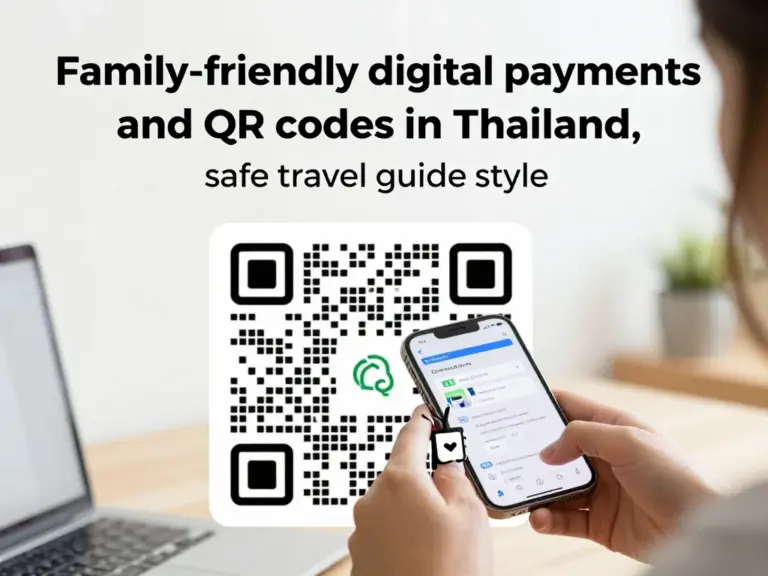
Digital Payments and QR in Thailand for Families with Kids: A Safe Travel Guide
- Digital Payments and QR in Thailand for Families with Kids: A Safe Travel Guide
Traveling to Thailand with family offers unforgettable experiences, from bustling night markets to serene beach resorts. However, managing money while keeping an eye on children can be challenging. Fortunately, the landscape of digital payments in Thailand has evolved rapidly, making it easier than ever to pay for goods and services without carrying large amounts of cash. Understanding how to use QR codes and digital wallets is not just a modern convenience; it is a smart strategy for safer, more efficient family travel.
digital payments in Thailand: Why Digital Payments are a Game-Changer for Families
When you are balancing backpacks, strollers, and the excitement of your children, fumbling for physical currency is the last thing you want to do. Digital payments in Thailand, specifically the PromptPay QR system, are ubiquitous. You will find them everywhere, from high-end shopping malls and international hotel chains to small street food stalls and local taxi services. By relying on digital methods, you reduce the risk of losing cash and minimize the stress of counting change while your kids are eager to move on to the next attraction.
Understanding the PromptPay QR System
The backbone of the Thai cashless ecosystem is the PromptPay QR code. As a traveler, you might notice small blue and white signs with QR codes at checkout counters. For locals, this is a direct bank transfer system. For tourists, however, the accessibility depends on your banking setup. Many modern banking apps from neighboring countries or those supporting cross-border QR payments (such as those integrated with the NETS or UPI networks) can scan these codes directly. If your home bank does not support direct cross-border QR scanning, you can still utilize travel-friendly e-wallets or prepaid cards that facilitate digital transactions.
How to Prepare Before You Fly
| Payment Method | Convenience for Families | Safety Level |
|---|---|---|
| Cash (THB) | Moderate (Necessary for small vendors) | Lower (Risk of theft/loss) |
| Credit/Debit Cards | High (Accepted at malls/hotels) | High (Fraud protection) |
| QR Code Payments | Very High (Fast and contactless) | High (No physical currency) |
Safety and Security Tips for Parents
Safety is paramount when traveling with children. Using digital platforms minimizes the risk of carrying large cash reserves, which is a major security benefit. However, you must remain vigilant about cybersecurity. Always ensure your banking app is protected by multi-factor authentication, and avoid using public, unsecured Wi-Fi networks when accessing your financial accounts. Instead, use a reliable roaming data plan or a dedicated travel eSIM to ensure your transactions happen over a secure connection.
Checklist: Digital Finance Essentials for Thailand
- Enable International Usage: Call your bank to authorize international transactions.
- Download Banking Apps: Ensure your banking app is updated and biometric login (FaceID/Fingerprint) is enabled.
- Carry Backup Cash: While digital payments are widespread, always keep a small amount of cash for remote areas or emergency situations.
- Secure Your Device: Use a strong passcode on your phone and ensure your travel insurance covers digital device theft.
- Note Emergency Numbers: Keep a record of your bank’s international fraud reporting hotline in your notes app.
Handling Common Challenges
Despite the prevalence of digital payments in Thailand, you may occasionally encounter a vendor who only accepts cash—usually at very small, rural, or highly traditional street markets. Do not let this frustrate you. The best approach is to embrace a hybrid strategy: use QR codes for the majority of your daily expenses, such as transit, malls, and restaurants, and keep a ‘petty cash’ wallet for the occasional snacks or local market finds. This flexibility ensures your kids never have to wait while you scramble for an ATM.
Conclusion
Embracing digital payments in Thailand significantly enhances the travel experience for families. It provides peace of mind, speeds up daily transactions, and reduces the logistical burden of managing foreign currency. By preparing your digital tools before arrival and maintaining a flexible mindset, you can focus on what really matters: creating wonderful memories with your children in the Land of Smiles.
Frequently Asked Questions (FAQ)
Are QR code payments safe for tourists in Thailand?
Yes, QR payments in Thailand are generally very secure, as they are backed by the national banking infrastructure. However, always ensure you are scanning official codes provided by merchants and avoid clicking suspicious links related to your payments.
Do I need a Thai bank account to use QR payments?
Not necessarily. While a Thai bank account offers the most seamless experience, many tourists can use cross-border QR payment features integrated into their home country’s banking apps or specialized travel e-wallets.
Is it possible to travel Thailand completely cashless?
While digital payments are extremely common, it is highly recommended to carry some cash. Some small street vendors, local buses, or remote attractions may still operate on a cash-only basis.
What should I do if a transaction fails?
If a digital payment fails, do not panic. Simply ask the merchant if they accept an alternative method like a credit card or cash. Always keep a backup payment method accessible.
References
Bank of Thailand Official Website
Tourism Authority of Thailand