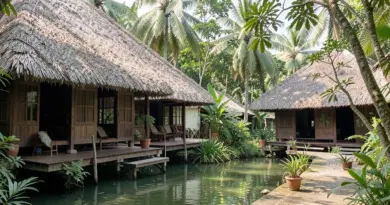
The Future of Sustainable Travel in Trat: A Peaceful Guide to Responsible Discovery
Trat, Thailand’s easternmost gateway, is quietly becoming a blueprint for eco-conscious tourism. As travelers seek to escape the crowded hotspots of the mainland, this tranquil province—home to Koh Chang, Koh Mak, and Koh Kood—is pivoting toward a model that prioritizes preservation over mass consumption. Understanding the future of sustainable travel in Trat is not just about choosing the right resort; it is about engaging with a community-led movement that aims to keep these islands pristine for generations to come.
sustainable travel in Trat: Why Trat is Pivoting to Sustainable Tourism
The shift toward sustainability in Trat isn’t merely a trend; it is a necessity driven by the fragility of the local ecosystem. Unlike more commercialized destinations, the Trat archipelago relies heavily on clear waters, healthy coral reefs, and vibrant mangrove forests. Local authorities and community leaders have recognized that the long-term viability of the regional economy depends on maintaining the very natural beauty that draws visitors in the first place.
The future of sustainable travel in Trat involves a transition from volume-based tourism to value-based tourism. This means encouraging longer stays, supporting local businesses rather than international chains, and participating in activities that minimize carbon footprints. Islands like Koh Mak have already made significant strides, often being cited as a Low Carbon Destination, setting a precedent that other islands in the province are beginning to emulate.
Key Pillars of Responsible Discovery
To travel responsibly in this region, visitors must adopt a mindset of stewardship. The local approach to conservation is built upon several foundational pillars:
- Waste Management: Many resorts are now implementing strict single-use plastic bans, encouraging guests to use refillable water stations.
- Energy Efficiency: Solar power adoption is rising, with several boutique eco-resorts operating off-grid or using hybrid energy systems.
- Community Engagement: Choosing local homestays or family-run bungalows ensures your tourist dollars directly benefit the local economy, rather than leaking out to foreign corporations.
- Marine Conservation: Participating in or donating to coral restoration programs and respecting “no-anchor” zones around sensitive reefs.
Comparing Traditional vs. Sustainable Travel Models in Trat
| Feature | Traditional Tourism | Sustainable Travel Model |
|---|---|---|
| Accommodation | Large-scale, energy-intensive resorts | Eco-lodges, homestays, solar-powered villas |
| Transport | High-frequency, private motorized tours | Bicycles, electric scooters, communal transport |
| Waste | High plastic usage, limited recycling | Plastic-free initiatives, composting |
| Economic Impact | Leakage to foreign investors | Direct support for local villagers/farmers |
Practical Checklist for the Conscious Traveler
If you are planning a trip to Trat, use this checklist to ensure your visit aligns with sustainable practices:
- Pack Reusables: Bring a high-quality water bottle and a reusable shopping bag. Most islands in Trat have refill stations.
- Choose Eco-Certified Stays: Look for hotels that publicly state their environmental policies or hold local sustainability certifications.
- Respect Local Wildlife: Never feed fish or touch coral while snorkeling. Keep a respectful distance from sea turtles and other marine life.
- Eat Local: Prioritize seafood caught by local fishermen using sustainable methods and consume seasonal fruits grown on the islands.
- Rent Bicycles: On islands like Koh Mak, the best way to explore is by bicycle. It reduces noise pollution and emissions while allowing you to see more of the local landscape.
The Road Ahead: Challenges and Opportunities
While the future looks promising, sustainable travel in Trat faces ongoing challenges. Infrastructure development, particularly regarding water management and sewage treatment, is still catching up to the growing number of visitors. Additionally, balancing the need for economic growth with the preservation of quiet, rural lifestyles remains a delicate act. However, the collective awareness among local businesses and the increasing demand from international travelers for green destinations provide a strong incentive for continued progress. By choosing to visit with an intention of care, you become part of the solution, helping to ensure that the peace and beauty of Trat remain intact for future generations.
Frequently Asked Questions (FAQ)
Not at all. While there are large resorts, there is a rapidly growing number of eco-conscious bungalows and boutique hotels that prioritize sustainability, especially on islands like Koh Mak and Koh Kood.
Cycling is the most sustainable and popular method on smaller islands. For larger islands like Koh Chang, look for shared songthaews (local taxis) instead of renting individual private cars or motorbikes.
The most important step is to use reef-safe sunscreen that does not contain oxybenzone. Also, ensure you never touch, stand on, or feed the marine life during your snorkeling or diving excursions.