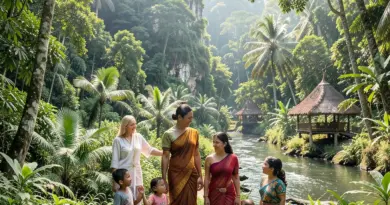
Nakhon Si Thammarat Travel Guide for Eco-Conscious Explorers
- Nakhon Si Thammarat Travel Guide for Eco-Conscious Explorers
- Nakhon Si Thammarat travel guide for eco-conscious explorers: Why Choose Nakhon Si Thammarat for Eco-Travel?
- Sustainable Activities and Nature Spots
- Eco-Conscious Accommodation Options
- Checklist for the Responsible Explorer
- Cultural Sensitivity and Ethical Tourism
- Conclusion
- Frequently Asked Questions (FAQ)
Planning a trip that respects both the environment and local culture is the hallmark of modern, responsible tourism. This Nakhon Si Thammarat travel guide for eco-conscious explorers is designed to help you navigate one of Southern Thailand’s most authentic, culturally rich, and naturally diverse provinces. Unlike the mass-tourism hubs, Nakhon Si Thammarat offers a slower, deeper connection to nature, making it an ideal destination for those looking to minimize their carbon footprint while maximizing their cultural immersion.
Nakhon Si Thammarat travel guide for eco-conscious explorers: Why Choose Nakhon Si Thammarat for Eco-Travel?
Nakhon Si Thammarat, often called ‘Nakhon’ by locals, is a province where ancient traditions meet rugged wilderness. From the misty peaks of Khao Luang National Park to the quiet, pristine coastlines, it remains largely untouched by the heavy infrastructure found in other Thai provinces. For the eco-conscious traveler, this means access to authentic community-based tourism (CBT) initiatives that directly support local livelihoods and environmental preservation efforts.
Sustainable Activities and Nature Spots
To truly explore the province sustainably, it is essential to prioritize activities that leave minimal impact on the environment. Here are some of the best eco-friendly experiences:
- Khao Luang National Park: Hike through one of Thailand’s most biodiverse rainforests. Always hire a local guide to ensure you stay on marked trails and learn about the indigenous flora and fauna without disrupting the ecosystem.
- Ban Khiri Wong Village: Famous for having the ‘best air quality in Thailand,’ this community is a pioneer in eco-living. Support the local economy by purchasing handmade tie-dye textiles and organic mangosteens directly from the villagers.
- Talay Noi Waterfowl Reserve (Bordering region): While technically spanning neighboring provinces, access from Nakhon allows for birdwatching that respects the wetland habitat. Stick to electric or non-motorized boats where possible to avoid disturbing wildlife.
Eco-Conscious Accommodation Options
When choosing where to stay, look for homestays that prioritize community integration. Many local families in Nakhon Si Thammarat have opened their homes to travelers, providing a unique cultural exchange that avoids the high energy usage of large-scale resorts.
| Type of Stay | Eco-Impact | Best For |
|---|---|---|
| Community Homestays | Low – supports local families | Cultural immersion |
| Eco-Resorts/Lodges | Medium – focuses on sustainability | Comfort with conservation |
| Standard Hotels | High – resource intensive | Convenience/Short stays |
Checklist for the Responsible Explorer
Before you set off on your journey, use this checklist to ensure you are traveling responsibly:
- Pack Reusables: Bring a high-quality water bottle, bamboo cutlery, and a reusable shopping bag.
- Respect Local Norms: Nakhon is a deeply spiritual and conservative province. Dress modestly when visiting temples like Wat Phra Mahathat.
- Support Local: Eat at local street food stalls and markets instead of international chains.
- Minimize Waste: Take your non-recyclable waste back with you to major towns where waste management facilities are more capable.
Cultural Sensitivity and Ethical Tourism
Eco-conscious travel isn’t just about the environment; it is also about social sustainability. Nakhon Si Thammarat is home to a rich history of shadow puppetry (Nang Talung) and intricate ‘Yan Lipao’ basketry. When you engage with these crafts, ensure you are buying from the artisans themselves. Avoid purchasing souvenirs made from endangered animal parts or excessive plastic packaging.
Conclusion
Visiting Nakhon Si Thammarat offers a refreshing alternative to the typical tourist trail. By following the advice in this Nakhon Si Thammarat travel guide for eco-conscious explorers, you contribute to the preservation of this beautiful province’s natural splendor and cultural heritage. Travel slowly, tread lightly, and cherish the authentic connections you make along the way.
Frequently Asked Questions (FAQ)
A: Yes, there are local songthaews (shared taxis) and buses. Using these is a more sustainable option than renting private cars, though they require more patience and local inquiry.
A: The period between February and April is generally drier, making it ideal for hiking in Khao Luang. However, be aware that the monsoon season (late year) can make trails slippery and dangerous.
A: Like many parts of rural Thailand, waste management can be a challenge. Always carry out what you carry in, especially when visiting remote waterfalls or forest areas.