Mastering Thai Cultural Etiquette: Your Stress-Free First-Time Visitor’s Guide
- Mastering Thai Cultural Etiquette: Your Stress-Free First-Time Visitor’s Guide
Welcome to the Land of Smiles! Thailand, a country renowned for its stunning temples, vibrant street life, and delicious cuisine, also boasts a rich tapestry of cultural nuances. For first-time visitors, understanding and respecting local customs can significantly enhance your travel experience, turning potential faux pas into memorable interactions. This guide to Thai cultural etiquette is designed to equip you with the knowledge needed for a stress-free and deeply rewarding journey.
The core of Thai culture is deeply rooted in Buddhism, respect for elders and hierarchy, and a strong sense of community and harmony. While Thai people are generally forgiving of unintentional mistakes by foreigners, making an effort to observe and adhere to their customs demonstrates respect and appreciation, paving the way for warmer connections.
Thai cultural etiquette: The Wai: More Than Just a Greeting
The ‘Wai’ is the quintessential Thai greeting, a graceful gesture performed with palms pressed together in a prayer-like fashion. It’s used for greetings, farewells, apologies, and to show respect. The height of the hands and the depth of the bow depend on the status of the person you are addressing. For instance, you would typically Wai someone older or of higher status with your hands higher and a slight bow. As a visitor, reciprocating a Wai with a slight nod and a smile is usually sufficient and appreciated. Avoid initiating a Wai to monks or highly respected elders; they will typically Wai you back. Also, never Wai someone younger than you or of lower status; this can be perceived as condescending.
When and How to Wai
- Greetings: Use it when meeting someone for the first time or greeting friends and acquaintances.
- Showing Respect: Reciprocate a Wai from elders, monks, or those in authority.
- Apologies: A Wai can accompany an apology.
- Important Exception: Do not Wai children or service staff (like hotel receptionists or waiters) unless they Wai you first. A smile and a nod are appropriate.
Respecting the Monarchy and Religion
Thailand is a constitutional monarchy, and the Royal Family is deeply revered. It is crucial to show the utmost respect. Never make any negative comments, jokes, or criticisms about the King or any member of the Royal Family. Lèse-majesté laws are strictly enforced. Similarly, Buddhism is the dominant religion, and temples (Wats) are sacred sites. When visiting temples, dress modestly: cover your shoulders and knees. Remove your shoes before entering temple buildings or homes. Avoid pointing your feet at Buddha images or at people, as feet are considered the lowest part of the body.
Temple Etiquette Checklist
- Dress modestly (cover shoulders and knees).
- Remove shoes before entering buildings.
- Do not touch Buddha images unless permitted.
- Speak softly and behave respectfully.
- Avoid pointing feet towards Buddha images or people.
Dining Etiquette: A Culinary Journey with Grace
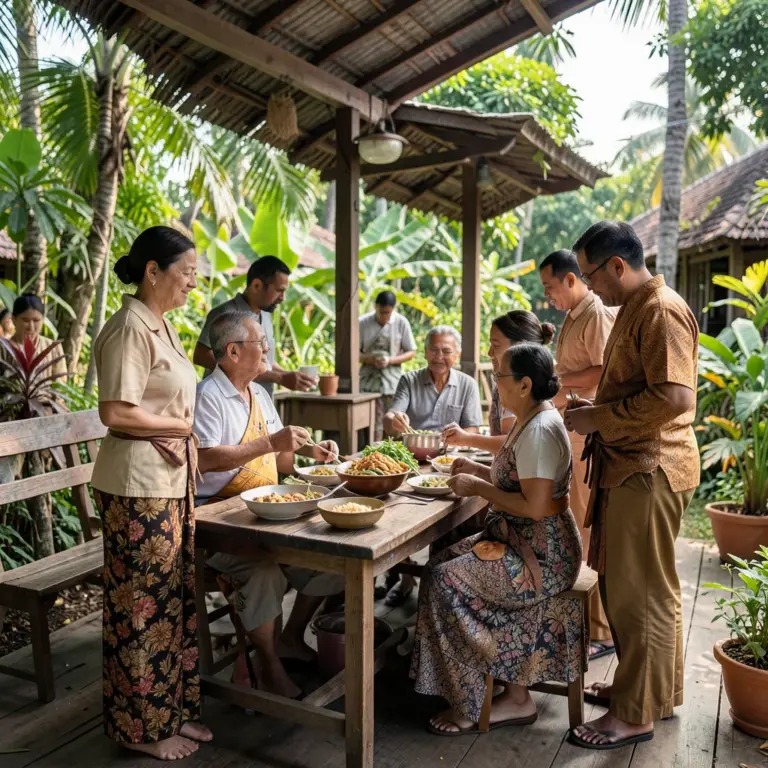
Thai cuisine is a highlight for many visitors, and understanding dining customs will make your meals more enjoyable. Typically, meals are communal, with several dishes placed in the center of the table to be shared. The main course is usually eaten with rice, using a spoon in the right hand and a fork in the left to push food onto the spoon. Chopsticks are generally used for noodle dishes only. It’s polite to try a little of everything offered. Avoid finishing your plate completely; leaving a small amount shows you have been well-fed. When eating with others, wait for the eldest or host to start eating first. For street food, observe how locals queue and manage their transactions.
Understanding Social Norms and Body Language
Thais value politeness, patience, and maintaining a ‘jai yen’ (cool heart) – avoiding confrontation and anger. Public displays of affection are generally frowned upon. The head is considered the most sacred part of the body, so avoid touching someone’s head, even playfully. As mentioned, feet are the lowest, so don’t point them at anyone or anything sacred. When giving or receiving something, especially in formal situations, use your right hand or both hands. Using only the left hand can be considered impolite, as it’s traditionally associated with personal hygiene.
In public transport or queues, let elders and pregnant women go first. When addressing people, use the honorific ‘Khun’ followed by their name (e.g., Khun Somchai). If you don’t know someone’s name, using ‘Khun’ with a general term like ‘Sir’ or ‘Madam’ is acceptable. Bargaining is common in markets but should be done politely and with a smile. Avoid aggressive haggling. Understanding these layers of respect and social hierarchy is key to a harmonious experience.
Common Mistakes to Avoid
Being aware of potential pitfalls can save you embarrassment. Here are a few common mistakes first-time visitors make:
| Mistake | Why it’s an issue | How to correct |
|---|---|---|
| Touching someone’s head | The head is sacred. | Avoid touching anyone’s head, even children. |
| Pointing feet at people or Buddha images | Feet are considered unclean. | Be mindful of where you direct your feet. |
| Public displays of anger | Thais value harmony and ‘cool heart’. | Remain calm and polite, even when frustrated. |
| Disrespecting the monarchy or religion | Deeply revered institutions. | Be aware of laws and customs; avoid critical remarks. |
| Wearing inappropriate clothing in temples | Temples are sacred sites. | Always dress modestly. |
| Using only the left hand | Associated with uncleanliness. | Use the right hand or both hands for giving/receiving. |
Conclusion
Mastering Thai cultural etiquette is not about memorizing every single rule, but about approaching your visit with an open mind, a respectful attitude, and a willingness to learn. By understanding and practicing these fundamental customs, you’ll not only avoid unintentional offense but also open doors to more meaningful interactions and a richer appreciation of Thailand’s unique culture. Embrace the journey with a smile, and you’ll find the Land of Smiles welcomes you with open arms.
Frequently Asked Questions (FAQ)
Q1: How should I address someone I don’t know in Thailand?
A1: It is polite to use the honorific ‘Khun’ followed by their name if you know it. If not, using ‘Khun’ with a general term like ‘Sir’ or ‘Madam’ is acceptable. For general interactions, a friendly smile and polite demeanor go a long way.
Q2: Is it rude to refuse food when invited to someone’s home?
A2: While Thais are hospitable, it is polite to accept offered food. If you are full, you can politely decline by saying you have already eaten or by eating a small portion to show appreciation. It’s generally considered impolite to refuse outright, especially from a host.
Q3: What is the appropriate way to behave in a Buddhist temple?
A3: Dress modestly, covering shoulders and knees. Remove your shoes before entering temple buildings. Speak softly, avoid pointing your feet at Buddha images or people, and refrain from touching Buddha images unless permitted. Always show respect for the sacredness of the site.
Q4: Can I take photos of people in Thailand?
A4: Generally, it’s polite to ask for permission before taking photos of individuals, especially in more rural areas or of monks. While many Thais are accustomed to tourists, asking shows respect. Avoid taking photos of sensitive locations or during official ceremonies without explicit permission.