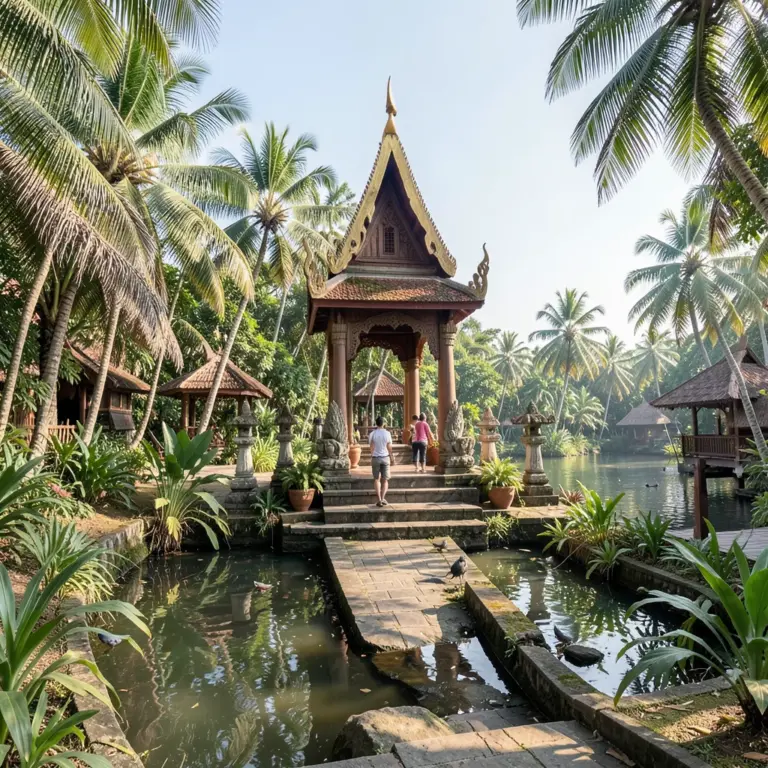
Bangkok to Ranong: Your Eco-Friendly Weekend Escape with Ancient Temple Tours
- Bangkok to Ranong: Your Eco-Friendly Weekend Escape with Ancient Temple Tours
Embarking on a journey from Bangkok to Ranong offers a refreshing escape from the bustling city life, immersing you in a world of serene natural beauty and profound cultural heritage. This region, often overlooked for more frequented destinations, provides a unique opportunity for an eco-friendly weekend retreat, complete with visits to ancient temples that whisper tales of history. Prepare for an adventure that balances sustainability with spiritual exploration, making your trip not only memorable but also mindful of our planet.
Why Choose Ranong for an Eco-Friendly Escape?
Ranong, known as the “City of Rain,” is blessed with lush rainforests, pristine coastlines, and a commitment to preserving its natural environment. Its relative remoteness from major tourist hubs means it retains a genuine charm and a slower pace of life. The local communities are increasingly focused on sustainable tourism practices, offering visitors a chance to connect with nature and culture responsibly. From exploring mangrove forests by kayak to visiting hot springs powered by geothermal energy, Ranong embodies the spirit of eco-conscious travel.
Journeying from Bangkok to Ranong: Sustainable Options
Traveling from Bangkok to Ranong with an eco-friendly mindset is achievable with a few conscious choices. While flying is the quickest option, consider the environmental impact. For a more sustainable journey, overnight buses or trains are excellent alternatives. These options reduce your carbon footprint significantly and offer a chance to experience the Thai countryside. Several reputable bus companies operate comfortable overnight services from Bangkok’s Southern Bus Terminal (Sai Tai Mai) to Ranong. For train enthusiasts, a journey to Surat Thani followed by a bus transfer to Ranong is also a viable, albeit longer, route.
Exploring Ranong’s Ancient Temples and Cultural Gems
Ranong’s spiritual landscape is dotted with ancient temples that offer insights into the region’s rich past. While not as grand as those in Ayutthaya or Sukhothai, these temples possess a unique, tranquil charm. Wat Baan Phra is a notable site, known for its serene atmosphere and traditional Lanna architecture. Another significant location is Wat Chao Lao, which often serves as a community hub and a place for quiet contemplation. Exploring these temples allows for a deeper understanding of local Buddhist traditions and provides a peaceful contrast to the natural adventures Ranong offers.
Wat Baan Phra
Wat Baan Phra, situated just outside the main town, is an excellent example of a local temple that has stood the test of time. Its main stupa, though modest, is intricately decorated, and the surrounding grounds are well-maintained, offering a peaceful space for visitors. It’s a place where you can observe local devotees and perhaps even engage in a respectful conversation about the temple’s history.
Wat Chao Lao
Wat Chao Lao, located closer to the coast, offers a different perspective, often with stunning sea views from its elevated position. It’s a place where the community gathers for important religious festivals, and its simple, elegant design reflects a deep connection to the sea and the land.
Beyond Temples: Eco-Adventures in Ranong
Ranong’s appeal extends far beyond its spiritual sites. The region is a haven for nature lovers seeking sustainable activities. Explore the vast mangrove forests, a vital ecosystem, by taking a guided boat tour or kayaking through the intricate waterways. These tours often highlight the diverse flora and fauna, including various bird species and mudskippers. Don’t miss the Raksawarin Hot Springs, a natural public park where you can soak in therapeutic mineral waters. The local government has invested in maintaining these springs with minimal environmental impact, making them a perfect spot for relaxation after a day of exploration.
Mangrove Exploration
The Ranong mangrove forest is one of the largest in Thailand. Opt for eco-tours that employ local guides who can share their knowledge of the ecosystem without disturbing it. Many tours focus on educating visitors about the importance of mangroves for coastal protection and biodiversity.
Raksawarin Hot Springs
The hot springs are a natural wonder, and the facilities are designed to be unobtrusive. You can choose from public pools or private rooms for a more intimate experience. The water is rich in minerals and is believed to have healing properties.
| Activity | Eco-Friendly Aspect | What to Expect |
|---|---|---|
| Mangrove Kayaking Tour | Low impact, supports local guides | Explore diverse ecosystems, spot wildlife |
| Visit Raksawarin Hot Springs | Natural geothermal energy use | Relaxing mineral water soak, nature trails |
| Temple Visits | Respectful cultural immersion | Serene atmosphere, learn local traditions |
| Local Market Exploration | Support local economy, reduce food miles | Authentic Thai snacks and crafts |
Planning Your Eco-Conscious Weekend
A weekend trip from Bangkok to Ranong requires thoughtful planning to maximize your experience while minimizing your environmental footprint. Consider staying in eco-lodges or locally-owned guesthouses that prioritize sustainability. Many accommodations in Ranong are integrated with nature and follow practices like waste reduction and energy conservation. Pack reusable water bottles and bags to avoid single-use plastics. When dining, choose restaurants that source local ingredients to support the community and reduce transportation emissions.
Eco-Friendly Weekend Checklist: Bangkok to Ranong
- Book sustainable accommodation (eco-lodge, local guesthouse).
- Opt for train or bus travel from Bangkok.
- Carry reusable water bottles and shopping bags.
- Participate in guided eco-tours (mangroves, nature walks).
- Respect local customs at temples and in communities.
- Support local businesses and eateries.
- Minimize waste and conserve resources during your stay.
Frequently Asked Questions (FAQ)
What is the most eco-friendly way to travel from Bangkok to Ranong?
The most eco-friendly way to travel from Bangkok to Ranong is by overnight bus or train, as these modes of transport have a significantly lower carbon footprint per passenger compared to flying.
Are there eco-friendly accommodation options in Ranong?
Yes, Ranong is increasingly offering eco-friendly accommodation, including eco-lodges and locally-owned guesthouses that focus on sustainable practices like waste management, water conservation, and using local resources.
What are the main eco-adventures available in Ranong?
Key eco-adventures include exploring the extensive mangrove forests by kayak or boat, visiting the natural Raksawarin Hot Springs, and enjoying the region’s pristine natural landscapes and wildlife.
Is Ranong suitable for a short weekend trip from Bangkok?
Absolutely. Ranong is an ideal destination for a weekend escape, offering a diverse range of activities from cultural exploration of ancient temples to natural adventures, all within reach for a short trip.
What should I pack for an eco-friendly trip to Ranong?
Pack essentials like reusable water bottles, a reusable shopping bag, reef-safe sunscreen (if visiting coastal areas), comfortable walking shoes, light clothing, and insect repellent. Consider packing a small backpack for day trips.
References
While specific references for this article are not provided, information on Ranong’s attractions and eco-tourism can typically be found through Thailand’s official tourism board websites and reputable travel guides focusing on sustainable destinations.