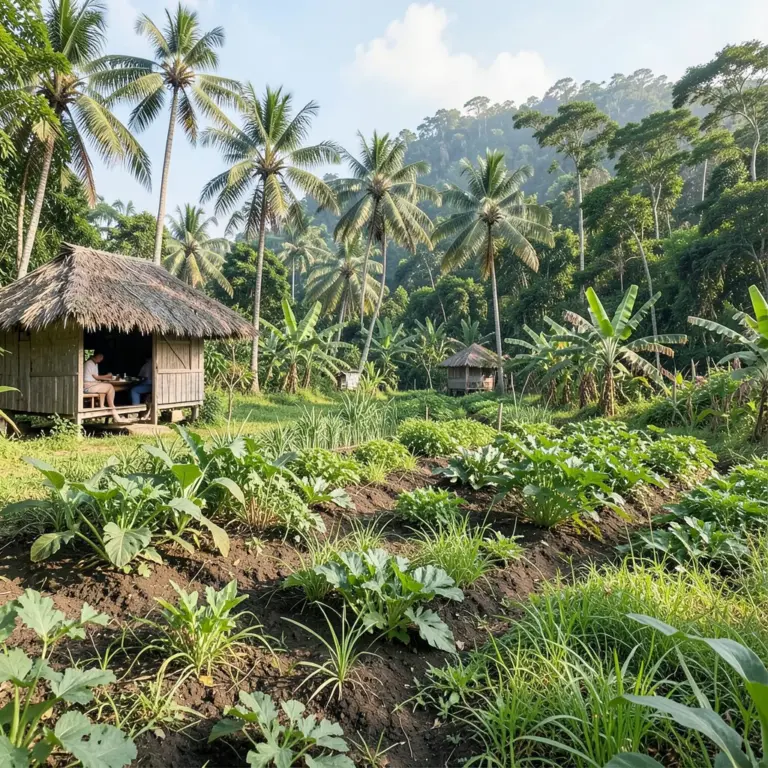
Chanthaburi’s Sustainable Farms: Your Guide to Eco-Friendly Travel
- Chanthaburi’s Sustainable Farms: Your Guide to Eco-Friendly Travel
- Chanthaburi’s sustainable farms: The Rise of Sustainable Farming in Chanthaburi
- Why Choose Sustainable Farms for Your Visit?
- Exploring Chanthaburi’s Eco-Friendly Agricultural Experiences
- Planning Your Sustainable Farm Visit: A Checklist
- Comparing Sustainable Farm Stays and Day Visits
- Common Pitfalls and How to Avoid Them
- The Future of Eco-Tourism in Chanthaburi
- Frequently Asked Questions (FAQ)
Chanthaburi, a province renowned for its lush landscapes and vibrant fruit orchards, is emerging as a beacon for sustainable tourism in Thailand. Beyond its famous gems like the Chantaboon Waterfront and the Khao Khitchakut National Park, the region is fostering a growing network of eco-friendly farms that offer visitors a unique opportunity to connect with nature and responsible travel practices. This guide is your essential companion to exploring Chanthaburi’s sustainable farms, understanding their importance, and planning an unforgettable, earth-conscious journey.
Chanthaburi’s sustainable farms: The Rise of Sustainable Farming in Chanthaburi
Chanthaburi’s agricultural heartland has long been the source of some of Thailand’s most prized fruits, including durian, rambutan, and mangosteen. In recent years, a conscious shift has taken place, with many farmers embracing practices that prioritize environmental health, biodiversity, and community well-being. These sustainable farms are not just about production; they are becoming educational hubs and destinations for travelers seeking authentic experiences. They employ methods such as organic farming, water conservation, waste reduction, and the promotion of local ecosystems. This movement is crucial for preserving Chanthaburi’s natural beauty and ensuring the long-term viability of its agricultural heritage.
Why Choose Sustainable Farms for Your Visit?
Opting for sustainable farms offers a multitude of benefits, both for the traveler and the destination. Firstly, it directly supports local communities and economies, ensuring that tourism revenue benefits those who are stewards of the land. Secondly, it provides an unparalleled opportunity for immersive learning. Visitors can witness firsthand how food is grown, understand the challenges and rewards of organic agriculture, and gain a deeper appreciation for the environment. Furthermore, sustainable farms often offer unique activities, from fruit picking and cooking classes to farm-to-table dining experiences, all while minimizing their ecological footprint. This approach to travel contributes to conservation efforts and promotes a healthier planet.
Exploring Chanthaburi’s Eco-Friendly Agricultural Experiences
Chanthaburi’s sustainable farms cater to a diverse range of interests. Many focus on organic fruit cultivation, welcoming visitors to wander through their orchards, learn about different varieties, and even participate in seasonal harvests. Some farms are integrating permaculture principles, creating biodiverse landscapes that are both productive and ecologically sound. Others are developing agritourism models that combine agricultural activities with comfortable, eco-conscious accommodations, such as homestays or small guesthouses built with sustainable materials. Look for farms that offer educational tours, workshops on natural farming techniques, or opportunities to taste freshly harvested produce prepared in traditional ways. The emphasis is always on a low-impact, high-value experience that respects the natural environment.
Planning Your Sustainable Farm Visit: A Checklist
To make the most of your eco-friendly adventure in Chanthaburi, consider this practical checklist:
- Research and Identify Farms: Look for farms that explicitly state their commitment to sustainable or organic practices. Online directories, local tourism websites, and visitor reviews can be helpful.
- Check for Visitor Policies: Understand the farm’s guidelines regarding waste disposal, resource usage, and interaction with the environment.
- Book in Advance: Many sustainable farms are small operations. Booking tours or accommodations ahead of time ensures availability and helps them manage resources.
- Pack Accordingly: Bring reusable water bottles, biodegradable toiletries, and eco-friendly insect repellent. Wear comfortable, closed-toe shoes suitable for walking on uneven terrain.
- Engage Respectfully: Be mindful of the farm’s operations and the natural surroundings. Ask questions, listen, and show appreciation for the farmers’ efforts.
- Support Local Products: Purchase any produce or crafts directly from the farm to further support their sustainable initiatives.
Comparing Sustainable Farm Stays and Day Visits
When planning your visit, you’ll likely encounter two main types of experiences: day visits focused on activities and tours, or overnight stays that offer a more immersive experience. Each has its advantages:
| Feature | Day Visit | Overnight Stay |
|---|---|---|
| Duration | A few hours to a full day | One or more nights |
| Immersiveness | Moderate; focused on specific activities | High; allows for deeper understanding and relaxation |
| Activities | Farm tours, fruit tasting, short workshops | All day visit activities plus deeper engagement, farm-to-table meals, and local interaction |
| Accommodation | Not applicable | Eco-lodges, homestays, farm bungalows |
| Pace | Can be more fast-paced, fitting activities into a schedule | More relaxed, allowing for spontaneous exploration and connection |
| Cost | Generally lower per person | Higher overall, but can offer better value for a comprehensive experience |
| Environmental Impact | Lower per person, but depends on travel to/from the farm | Can be managed through on-site resource use, but consider travel footprint |
Common Pitfalls and How to Avoid Them
While the intention is always positive, travelers can sometimes inadvertently cause disruption. A common misunderstanding is the belief that all farms operate in the same way. It’s important to remember that ‘sustainable’ can encompass a range of practices. Some farms might focus purely on organic methods, while others integrate permaculture or conservation efforts. Always clarify the farm’s specific approach and adhere to their guidelines. Another pitfall is over-commercialization; be wary of farms that seem more like tourist traps than genuine agricultural operations. Look for authenticity and a clear commitment to environmental stewardship rather than just a superficial green label. Lastly, respect the farmers’ time and expertise; unplanned visits or demands can be disruptive.
The Future of Eco-Tourism in Chanthaburi
The growing interest in Chanthaburi’s sustainable farms bodes well for the future of eco-tourism in the region. As more travelers seek authentic, responsible experiences, these farms are poised to become key attractions. Continued investment in sustainable infrastructure, educational programs, and community engagement will be vital. By supporting these initiatives, visitors can play a direct role in preserving Chanthaburi’s natural heritage and promoting a model of tourism that benefits both people and the planet. The journey into Chanthaburi’s green heart is an invitation to learn, connect, and travel with purpose.
Frequently Asked Questions (FAQ)
Q1: What makes a farm in Chanthaburi ‘sustainable’?
A1: Sustainable farms in Chanthaburi typically employ practices that minimize environmental impact, such as organic farming, water conservation, reduced pesticide use, waste management, and support for local biodiversity. They also often focus on fair labor practices and community engagement.
Q2: Can I visit Chanthaburi’s sustainable farms without a reservation?
A2: While some farms may accommodate walk-in visitors for simple tours or purchases, it is highly recommended to book in advance, especially for specific activities, workshops, or overnight stays. This helps the farms manage their resources and ensure a better experience for visitors.
Q3: What kind of activities can I expect at these farms?
A3: Activities vary but commonly include guided farm tours, fruit picking (seasonal), tasting sessions, cooking classes using farm-fresh ingredients, learning about organic farming techniques, and sometimes participating in farm chores. Many also offer opportunities to stay overnight in eco-friendly accommodations.
Q4: How can I ensure my visit has a minimal environmental impact?
A4: Minimize waste by bringing reusable items like water bottles and bags. Conserve water and energy during your stay. Respect the natural environment by not disturbing wildlife or plants, and dispose of any waste responsibly. Choose local and sustainable transport options where possible.