How to Experience Ancient Temple Tours in Phrae Like a Pro
- How to Experience Ancient Temple Tours in Phrae Like a Pro
- ancient temple tours in Phrae: Understanding the Architectural Significance of Phrae’s Temples
- The Pro-Traveler’s Itinerary: Planning Your Route
- Essential Tips for Respectful Temple Exploration
- When to Go: Timing Your Visit for the Best Experience
- Beyond the Temples: Connecting with Local Culture
- Conclusion
- Frequently Asked Questions (FAQ)
Phrae is often overlooked by travelers rushing between Chiang Mai and Bangkok, but for those who know where to look, it is a treasure trove of Lanna history. If you are planning to explore this hidden gem, mastering ancient temple tours in Phrae requires more than just a map and a camera. It demands an appreciation for the unique ‘Phrae style’ architecture—characterized by teak wood construction and distinctive mural art—that sets these sacred sites apart from the more crowded temples in Northern Thailand.
To tour like a pro, you must move beyond the superficial ‘check-in’ mentality. This guide will walk you through the logistics, cultural nuances, and hidden spots that transform a standard sightseeing trip into a deep dive into Thai heritage. Whether you are a history buff or a casual traveler, understanding the flow and significance of these sites is key to a rewarding experience.
ancient temple tours in Phrae: Understanding the Architectural Significance of Phrae’s Temples
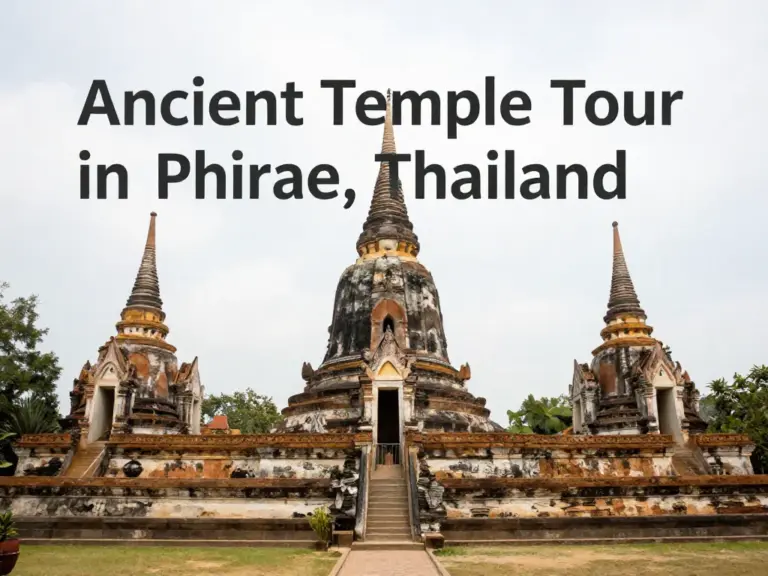
The temples in Phrae are not mere replicas of those in Chiang Mai or Lampang. Phrae was historically a center for the teak trade, and this is reflected in the architecture. Many of the older viharns (assembly halls) are constructed from massive teak logs, showcasing the wealth and craftsmanship of the bygone era. When you embark on ancient temple tours in Phrae, look for the ‘Lanna-Phrae’ style, which blends Burmese influences with traditional Northern Thai aesthetics.
Key elements to observe include the multi-tiered roofs, often with intricate wood carvings under the eaves, and the specific style of Buddha images which often feature softer, more rounded facial features compared to the Sukhothai style. Taking the time to study these details turns a simple walk-through into an educational experience.
The Pro-Traveler’s Itinerary: Planning Your Route
A professional approach to touring means optimizing your time. Phrae is best explored by rented scooter or a private car, as public transport can be infrequent. Focus your efforts on the historic city center first, where temples are clustered, and then venture outward.
| Temple Name | Highlight | Why Visit? |
|---|---|---|
| Wat Phra That Cho Hae | Golden Chedi | The most revered site in the province; essential for cultural context. |
| Wat Phong Sunan | White Architecture | Features unique, modern-meets-traditional aesthetics and intricate white stucco. |
| Wat Chom Sawan | Burmese Style | A stunning wooden temple that showcases the historical influence of the teak trade. |
Essential Tips for Respectful Temple Exploration
Temple etiquette is non-negotiable. As a guest in these sacred spaces, your behavior reflects on all travelers. While many temples in Phrae are accustomed to tourists, they remain active places of worship.
- Dress Code: Shoulders and knees must be covered. This applies to both men and women.
- Footwear: Always remove your shoes before entering the viharn or any building housing a Buddha image. Look for the designated shoe racks.
- Photography: While most temples allow photography, avoid using flash, and never climb on statues or artifacts to get ‘the perfect shot.’
- Quiet Demeanor: Maintain a low voice. Monks may be chanting or locals may be praying; your silence is a sign of respect.
When to Go: Timing Your Visit for the Best Experience
To experience ancient temple tours in Phrae like a pro, you must master the art of timing. The heat in Thailand can be intense, especially during the midday hours of 12:00 PM to 3:00 PM. Not only is this uncomfortable for walking, but the glare on temple surfaces can make photography difficult.
Aim to start your tours early, around 7:30 AM or 8:00 AM. This is when the monks are often performing their morning routines, and the light is soft and golden—perfect for capturing the intricate details of the temple architecture. Alternatively, visit during the late afternoon (after 4:00 PM) when the temples cool down and the local community gathers for evening prayers, offering a more authentic glimpse into daily life.
Beyond the Temples: Connecting with Local Culture
A pro-level tour of Phrae involves connecting the temples to the surrounding community. Phrae is famous for its indigo-dyed clothing (Mo Hom). Many of the temples are located near traditional weaving villages. By visiting these villages, you gain context on the local economy that supported these temples for centuries. The connection between the wealth of the teak trade, the devotion shown in temple construction, and the local textile arts is the complete story of Phrae.
Conclusion
Experiencing ancient temple tours in Phrae is about slowing down and observing the layers of history beneath the surface. By respecting the local customs, choosing the right times to visit, and appreciating the unique teak-wood architecture, you transform your trip from a simple sightseeing tour into a meaningful cultural immersion. Phrae remains one of the few places in Northern Thailand where you can still feel the quiet pulse of traditional Lanna life—ensure you take the time to listen.
Frequently Asked Questions (FAQ)
A: While not strictly necessary, hiring a local guide can significantly enhance your experience, especially if you want to understand the deep historical nuances of the teak architecture and Lanna history.
A: Most temples in Phrae are free to enter. However, some larger or more famous sites may ask for a small donation for maintenance. Always carry small change just in case.
A: Two full days are sufficient to see the major temples in the city center and a few significant ones on the outskirts at a relaxed pace.