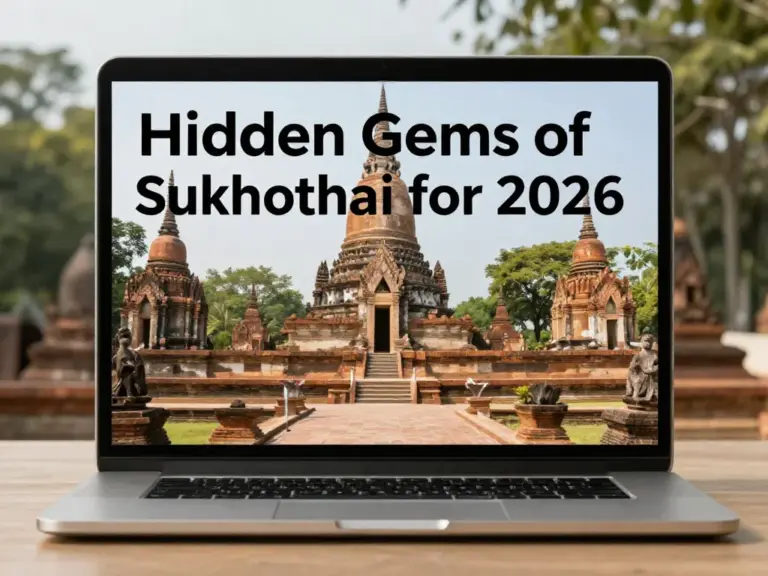
10 Hidden Gems in Sukhothai to Visit in 2026
While the Sukhothai Historical Park remains a UNESCO World Heritage site that every traveler should see at least once, the true charm of this ancient kingdom often lies just beyond its famous gates. If you are planning your itinerary for 2026, looking for hidden gems in Sukhothai will transform your trip from a standard sightseeing tour into a deep dive into local culture, craftsmanship, and untouched ruins. This guide curates ten lesser-known locations perfect for travelers who want to escape the crowds and experience the authentic soul of Thailand’s first capital.
The main archaeological zone is undoubtedly magnificent, but it only tells part of the story. By venturing into the surrounding districts, you gain access to living history. In 2026, sustainable tourism is at the forefront, and visiting these quieter locations helps support local economies that rarely see international foot traffic. Whether you are a photography enthusiast, a history buff, or someone seeking quiet contemplation, these spots offer a refreshing perspective on Sukhothai.
10 Hidden Gems to Discover
- 1. Wat Saphan Hin: Located on a hill, this temple offers a stunning panoramic view of the Sukhothai valley, especially at sunset. The ‘Phra Attharot’ standing Buddha statue is imposing and serene.
- 2. Sangkhalok Museum: While not a temple, this museum is essential for understanding the ancient ceramic industry that made Sukhothai famous. It houses a vast, curated collection of rare pottery.
- 3. Ban Na Ton Chan: A community-based tourism village where you can learn about traditional ‘Mudmee’ textile weaving. It is an immersive experience in rural Thai lifestyle.
- 4. Wat Chang Lom (Si Satchanalai): Often overshadowed by the main park, this temple features an elephant-adorned chedi that rivals any in the central zone for architectural beauty.
- 5. Ramkhamhaeng National Museum: This facility is often bypassed by tour groups but contains the most significant artifacts unearthed in the region, providing necessary context for the ruins.
- 6. Khao Luang National Park: For the adventurous, this park offers hiking trails that lead to breathtaking viewpoints, showcasing the natural geography of the province.
- 7. Wat Chedi Ngam: A quiet, lesser-visited ruin tucked away in the forest, offering a peaceful atmosphere perfect for meditation or quiet reflection.
- 8. Thung Saliam District: A charming area known for its unique wooden architecture and local temples that feel untouched by modern tourism.
- 9. The Ancient Kilns of Pa Yang: Explore the remnants of the old ceramic production sites that fueled the trade routes of the 13th century.
- 10. Wat Phra Pai Luang: While technically closer to the main area, it is often ignored. This was likely the center of the city before the main Historical Park was fully developed, featuring distinct Khmer influences.
| Site Name | Best For | Traveler Type |
|---|---|---|
| Wat Saphan Hin | Sunsets | Photographers |
| Ban Na Ton Chan | Culture | Cultural Explorers |
| Khao Luang | Hiking | Adventure Seekers |
| Sangkhalok Museum | History | History Buffs |
Practical Checklist for Your 2026 Trip
To make the most of your visit to these hidden gems in Sukhothai, keep this checklist in mind:
- Rent a Private Vehicle: Many of these sites are spread out. A car or motorbike is essential for flexibility.
- Respect Local Customs: These areas are often more religious and traditional than the main tourist zones. Dress modestly (shoulders and knees covered).
- Carry Cash: Small, local sites rarely accept digital payments or credit cards.
- Hire a Local Guide: For places like Ban Na Ton Chan, a local guide provides context you simply cannot get from a guidebook.
- Check Seasonal Access: Some national park areas may close during the peak of the rainy season (August-September).
Conclusion
Sukhothai is more than just a collection of ruins; it is a region rich with living heritage, hidden natural beauty, and craftsmanship that has survived for centuries. By exploring these 10 hidden gems in 2026, you contribute to a more balanced tourism model while enjoying a more intimate, authentic travel experience. Take your time, wander off the main path, and discover why this province remains the heart of Thailand’s history.
Frequently Asked Questions (FAQ)
A: Yes, these areas are generally safe for travelers. However, always exercise standard travel precautions, especially when visiting remote natural sites like national parks.
A: The cool, dry season from November to February is the most comfortable time for outdoor exploration.
A: Public transport is limited outside the main city center. Renting a car, motorbike, or hiring a driver for the day is highly recommended for reaching the less accessible sites.
References
For more information on planning your trip to Thailand, visit the Tourism Authority of Thailand. For historical context regarding UNESCO sites, consult the UNESCO World Heritage Centre.