Nakhon Si Thammarat Travel Guide: Hidden Gems for Adventure Seekers
- Nakhon Si Thammarat Travel Guide: Hidden Gems for Adventure Seekers
When travelers think of Southern Thailand, Phuket’s beaches or Krabi’s limestone cliffs usually dominate the conversation. However, for those craving raw, untamed experiences, this Nakhon Si Thammarat travel guide opens the door to a province that remains firmly off the mass-tourism radar. Known as the cradle of Southern Thai culture and home to the highest peak in the South, Nakhon Si Thammarat offers a landscape defined by mist-covered mountains, ancient rainforests, and authentic local heritage. If you are an adventure seeker looking to step away from the crowded tourist paths, this is your ultimate roadmap.
Nakhon Si Thammarat travel guide: Why Adventure Seekers Choose Nakhon Si Thammarat
The province is not just a destination; it is a rugged playground. Unlike the polished resorts of the Andaman coast, Nakhon Si Thammarat offers a blend of physical challenge and cultural immersion. The geography here is dominated by the Nakhon Si Thammarat mountain range, which acts as a barrier, preserving the natural environment from rapid commercialization. For adventure enthusiasts, this means pristine trekking, hidden waterfalls that don’t require queuing for a photo, and a chance to engage with a side of Thailand that feels decades removed from the modern, fast-paced world.
Top Adventure Highlights: Beyond the Beaten Path
To truly appreciate this region, you need to look beyond the city temples. The real allure lies in the dense jungles and coastal cliffs that define the provincial landscape. Here are the must-visit spots for any serious explorer.
1. Trekking Khao Luang National Park
Standing as the highest peak in Southern Thailand, Khao Luang is the crown jewel of the province. Trekking here is not for the faint of heart. The trails are steep, humid, and wild. You will encounter diverse flora, including rare orchids and ferns that thrive in the high-altitude cloud forest. The summit offers a panoramic view that justifies every drop of sweat. Pro-tip: You must arrange a guide through the national park office; do not attempt the multi-day hike solo.
2. The Misty Village of Khiri Wong
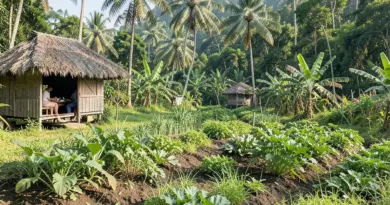
Khiri Wong is often cited as having the cleanest air in Thailand. Nestled in a valley at the foot of the mountains, it is the perfect base for adventure seekers. The river flowing through the village provides a refreshing dip after a day of cycling or hiking through the local fruit orchards. It offers a glimpse into sustainable community tourism, where locals prioritize preserving the environment over rapid expansion.
3. Coastal Exploration at Khanom
While the mountains draw the hikers, the coast at Khanom draws the water adventurers. This area is famous for its pink dolphins, but the real adventure lies in kayaking the intricate mangrove forests and exploring the hidden coves that are only accessible by sea. It is a tranquil, meditative experience compared to the intensity of the mountain climbs.
Adventure Comparison: Mountains vs. Coast
| Activity Type | Best Location | Difficulty Level | Key Experience |
|---|---|---|---|
| Trekking | Khao Luang | High | Cloud forest summit views |
| Cycling/Community | Khiri Wong | Low – Medium | Clean air & fruit orchards |
| Water Sports | Khanom Coast | Low – Medium | Mangrove kayaking & dolphins |
| Cave Exploration | Khao Wang Thong | Medium | Stalactites & limestone formations |
Essential Checklist for Your Trip
Preparing for an adventure in Nakhon Si Thammarat requires more than just a swimsuit and sunscreen. Because the infrastructure is less tourist-focused than other Thai hubs, preparation is key.
- Appropriate Footwear: High-quality trekking shoes with grip are essential for the rainforest trails.
- Rain Gear: The mountain region is known for sudden tropical downpours; carry a lightweight rain poncho.
- Local Guide Contacts: For national park treks, always pre-book authorized guides.
- Cash: Many smaller villages and rural attractions do not accept digital payments or cards.
- Insect Repellent: Deep forest trekking requires heavy-duty protection against mosquitoes and leeches.
Cultural Sensitivity and Etiquette
Nakhon Si Thammarat is deeply traditional. As an adventure seeker, you are likely to enter areas where local customs are strictly upheld. Always dress modestly when visiting temples or rural villages—shoulders and knees should be covered. Respect the “Leave No Trace” principle, especially in the national parks. The locals take immense pride in their natural environment, and visitors who show genuine respect for the land are welcomed with open arms.
Conclusion
Nakhon Si Thammarat is not for the traveler who wants a resort-style vacation with room service on the beach. It is for the explorer who wants to earn their views, breathe the cleanest air in the country, and witness the raw beauty of Southern Thailand. By following this Nakhon Si Thammarat travel guide, you can navigate the province with confidence, knowing you are visiting a place that remains authentic, wild, and incredibly rewarding.
Frequently Asked Questions (FAQ)
A: Yes, it is generally safe. Like any travel destination, practice standard safety precautions. The main challenges are physical (terrain difficulty) rather than safety-related.
A: The best time for hiking and outdoor adventure is the dry season, typically from February to April. Avoid the peak monsoon season (late October to December) as trails can become dangerously slippery.
A: While English is spoken in major hubs, it is less common in rural areas. Having a translation app or learning basic Thai phrases will significantly enhance your experience.
References
Tourism Authority of Thailand: Nakhon Si Thammarat Official Guide
Department of National Parks, Wildlife and Plant Conservation (Thailand)