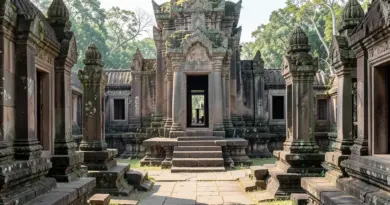
The Ultimate Tak Travel Guide: Beyond the Tourist Map
Tak is often overlooked by travelers rushing between the popular hubs of Chiang Mai and Sukhothai. Yet, for those willing to venture off the beaten path, this province offers some of Thailand’s most dramatic landscapes and authentic cultural experiences. This ultimate Tak travel guide is designed to help you navigate beyond the typical tourist map, uncovering the misty peaks, thundering waterfalls, and quiet border towns that define the true spirit of western Thailand.
ultimate Tak travel guide: Why Tak Deserves a Spot on Your Itinerary
Most tourists treat Tak as a transit point, but the province is a goldmine for nature lovers and culture seekers. Unlike the commercialized trekking circuits of the north, Tak provides a raw, unfiltered glimpse into rural Thai life. From the sprawling reservoirs to the dense, protected jungles, the region is rugged, untamed, and deeply rewarding for those who prioritize solitude and adventure over convenience.
The Best Hidden Gems in Tak
If you are looking for experiences that aren’t plastered on every postcard, start with these lesser-known treasures. These locations require a bit more planning but offer unparalleled serenity.
1. Thi Lo Su Waterfall
While known, it remains difficult to access, which keeps crowds manageable. As the largest waterfall in Thailand, its scale is humbling. You will need to travel via Umphang, often requiring a 4×4 or a multi-day rafting trip to reach the base. The journey is part of the experience, taking you deep into the Umphang Wildlife Sanctuary.
2. Ban Tak District
For a cultural deep dive, visit the historic architecture and old-world markets of Ban Tak. This area feels like stepping back in time, with wooden houses and local food markets that haven’t shifted their focus to suit international tourists.
3. Doi Hua Mot
A fantastic spot for sunrise chasers. Unlike the crowded viewpoints in other northern provinces, Doi Hua Mot offers vast, sweeping views of the surrounding valley, often blanketed in a sea of mist during the cooler months.
Comparison of Travel Styles in Tak
Choosing how to explore Tak depends entirely on your comfort level and time constraints. Here is a quick breakdown to help you decide.
| Travel Style | Accessibility | Best For | Effort Level |
|---|---|---|---|
| Guided Tour | High | Time-pressed travelers | Low |
| Self-Drive (Car/Motorbike) | Medium | Independent explorers | High |
| Local Transit | Low | Budget backpackers | Very High |
Practical Tips for Your Journey
Traveling through Tak is different from visiting Bangkok or Phuket. Infrastructure is limited in remote areas, and English proficiency among locals decreases the further you move from the city center.
Checklist for Tak Adventurers
- Transportation: Rent a high-clearance vehicle if planning to visit Umphang or remote waterfalls.
- Gear: Pack a high-quality rain jacket, as the mountain weather can change rapidly.
- Cash: ATMs are scarce outside the main town; withdraw enough cash in Tak city before heading into the districts.
- Language: Learn basic Thai phrases; a little effort goes a long way with rural hospitality.
- Permits: Check with local ranger stations if you plan to camp or trek in protected wildlife sanctuaries.
Conclusion
Tak is not for the traveler who wants luxury resorts and neon lights. It is a destination for the curious, the adventurous, and those who appreciate the quiet majesty of nature. By venturing beyond the tourist map, you discover a side of Thailand that is rapidly disappearing elsewhere. Whether you are trekking to the base of Thi Lo Su or watching the sunrise from a remote mountain peak, Tak offers an authentic experience that will stay with you long after you leave.
Frequently Asked Questions (FAQ)
Yes, Tak is generally safe. However, due to its remote nature and mountainous terrain, solo travelers should practice standard safety precautions, such as sharing their itinerary with family and avoiding night driving on winding mountain roads.
The cool season, from November to February, is ideal. The weather is dry and temperatures are pleasant for hiking and outdoor activities.
If you plan to visit popular remote spots like Umphang or specific waterfalls during the rainy season, a 4×4 vehicle is highly recommended. For city travel and main roads, a standard car is sufficient.
References
Tourism Authority of Thailand (TAT) Official Website
Department of National Parks, Wildlife and Plant Conservation