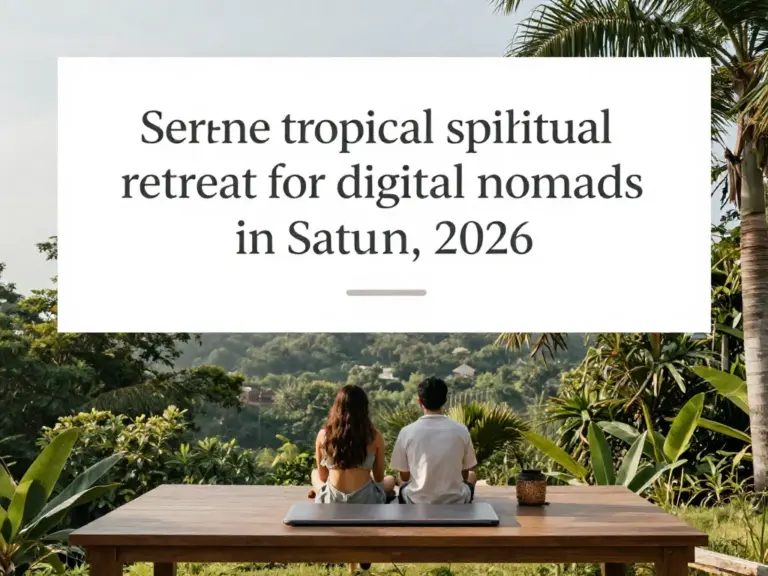
Why Satun Is the Perfect Spiritual Escape for Digital Nomads in 2026
- Why Satun Is the Perfect Spiritual Escape for Digital Nomads in 2026
As the global remote work landscape evolves, the definition of a “workation” is shifting from high-energy coworking hubs to places that offer genuine soul-replenishing experiences. For many, the search for the perfect spiritual escape for digital nomads in 2026 has led them away from the crowded beaches of Phuket or the bustling streets of Chiang Mai and toward the serene, untouched beauty of Satun, Thailand. Located in the far south, bordering Malaysia, Satun offers a unique blend of geological wonders, multicultural harmony, and a pace of life that encourages deep work and profound introspection.
spiritual escape for digital nomads: The Appeal of Satun for the Conscious Nomad
Digital nomads in 2026 are increasingly prioritizing mental health and sustainability. Satun fits this narrative perfectly. Unlike the commercialized tourist centers, Satun—specifically areas like Pak Bara and the surrounding islands of the Adang Archipelago—maintains a rugged, authentic charm. The province is home to Thailand’s first UNESCO Global Geopark, a testament to the raw, ancient power of the landscape. For a remote worker, being surrounded by 500-million-year-old limestone cliffs and crystal-clear Andaman waters creates a workspace that is naturally grounding, reducing burnout and enhancing creativity.
Why Satun Stands Out in 2026
The shift toward “slow travel” has made Satun a standout destination. While other regions struggle with over-tourism, Satun remains relatively quiet, allowing for a deeper connection with the local community and nature. This is not a place for party-seekers; it is a place for those who seek silence, meditation, and a stable internet connection amidst breathtaking scenery.
The Intersection of Connectivity and Nature
One of the biggest concerns for remote workers is infrastructure. Fortunately, 2026 has seen significant improvements in 5G coverage across southern Thailand. You can now find stable, high-speed Wi-Fi in boutique guesthouses and cafes in Satun town and near the ferry terminals, bridging the gap between “off-the-grid” feelings and “on-the-grid” productivity.
| Feature | Satun (Spiritual Focus) | Phuket (Mainstream Hub) |
|---|---|---|
| Vibe | Quiet, contemplative | High energy, busy |
| Cost of Living | Low to Moderate | High |
| Nature Access | UNESCO Geopark, pristine | Commercialized beaches |
| Connectivity | Good (Stable 5G) | Excellent (Enterprise grade) |
| Community | Niche, intimate | Massive, networking-focused |
Designing Your Spiritual Routine
To truly benefit from Satun as a spiritual escape, you must structure your day intentionally. The environment here is conducive to a “deep work” methodology—focusing on high-value tasks during the morning hours, followed by restorative afternoon activities. The local culture, deeply influenced by both Buddhist and Muslim traditions, promotes a sense of respect and mindfulness that permeates the atmosphere.
Recommended Daily Workflow for Nomads
- 07:00 – 09:00: Morning mindfulness. Engage in yoga or meditation on the beach, or simply walk along the pier to watch the sunrise.
- 09:00 – 13:00: Deep work block. Utilize a quiet local cafe or your accommodation’s workspace.
- 13:00 – 14:30: Mindful lunch. Eat local Thai-Malay fusion cuisine, focusing on fresh, seasonal ingredients.
- 14:30 – 17:00: Shallow work or creative projects. This is the time for emails, planning, or brainstorming.
- 17:00 – Late: Exploration. Visit the UNESCO Geopark sites, kayak through mangrove forests, or engage in community interactions.
Cultural Harmony and Community
Satun is unique in Thailand for its significant Muslim population, which lives in harmony with the Buddhist community. This cultural tapestry adds a layer of spiritual depth to your stay. You will hear the gentle call to prayer echoing across the landscape, which, for many digital nomads, serves as a natural “mindfulness bell”—a reminder to pause, breathe, and reset throughout the busy workday.
Practical Challenges to Consider
While Satun is an ideal escape, it is not a traditional nomad hub. There are no massive coworking chains or large expat social groups. If you are someone who thrives on networking events, conferences, and constant social stimulation, you might find Satun too isolating. This destination is best suited for the self-reliant nomad, the writer, the developer, or the creative who values solitude over social scenes.
Conclusion
Satun represents the future of the digital nomad movement—a return to places that nurture the soul rather than just the wallet. By choosing this province for your next stint, you aren’t just finding a place to work; you are curating an experience that prioritizes mental well-being, cultural appreciation, and natural beauty. In 2026, finding a spiritual escape for digital nomads is about balance, and Satun provides that balance in abundance.
Frequently Asked Questions (FAQ)
Yes, as of 2026, 5G connectivity is widely available in Satun town and major tourist areas like Pak Bara, making it very reliable for remote work.
The best time is between November and April, which corresponds to the dry season, ensuring clear skies for exploration and reliable outdoor activities.
Satun is better suited for experienced nomads who can self-manage and enjoy solitude, as it lacks the infrastructure and support networks found in hubs like Chiang Mai.
You can fly into Hat Yai International Airport and take a shared van or private taxi to Satun, which takes approximately 1.5 to 2 hours.