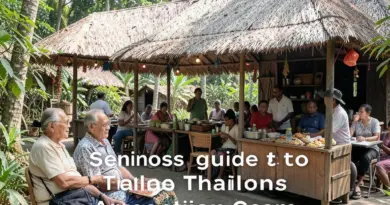
Why Tak Is the Perfect Authentic Escape for Cultural Enthusiasts
- Why Tak Is the Perfect Authentic Escape for Cultural Enthusiasts
For the traveler weary of crowded tourist hotspots and commercialized souvenir shops, there exists a quiet corner of Northern Thailand that remains largely untouched by mass tourism. Tak province, often overlooked in favor of Chiang Mai or Chiang Rai, stands out as the perfect authentic escape for cultural enthusiasts. This region offers a profound glimpse into a way of life that balances ancient traditions with the rugged beauty of the Thai borderlands.
perfect authentic escape for cultural enthusiasts: The Cultural Tapestry of Tak
What makes Tak truly special is its demographic diversity. The province serves as a melting pot of ethnic cultures, including Karen, Hmong, Lisu, and Burmese influences due to its proximity to the Myanmar border. This cultural intersection is not a performance for tourists; it is the daily reality of the local people.
The Legacy of Phra Borommathat
At the heart of the provincial capital lies Wat Phra Borommathat, a temple that dates back over 1,000 years. Unlike the pristine, manicured temples found in Bangkok, this site feels lived-in and deeply spiritual. The golden pagoda, modeled after the Shwedagon Pagoda in Myanmar, serves as a visual reminder of the deep historical ties between the two regions. Walking through its grounds, you are more likely to hear the soft chanting of monks than the chatter of tour groups.
Comparing Tak to Popular Northern Destinations
Many travelers struggle to choose between the well-trodden path of Chiang Mai and the raw appeal of Tak. The following table highlights why Tak is the superior choice for those seeking authenticity over convenience.
| Feature | Chiang Mai | Tak |
|---|---|---|
| Crowd Density | High | Very Low |
| Cultural Authenticity | Moderate/Commercialized | High/Traditional |
| Nature Access | Accessible/Tourism-heavy | Wild/Untouched |
| Infrastructure | Developed | Basic/Rustic |
| Best For | Socializing, Cafes, Shopping | Immersion, Photography, Peace |
Immersing Yourself in Local Traditions
To truly appreciate why Tak is the perfect authentic escape for cultural enthusiasts, you must step outside the city center. The Umphang district is home to breathtaking landscapes and remote hill tribe villages. Here, the concept of time seems to shift. If you visit during local festivals, you will witness rituals that have remained largely unchanged for generations.
Practical Checklist for Your Cultural Expedition
Planning a trip to a less-developed province like Tak requires a different approach than a standard beach holiday. Use this checklist to ensure your visit is respectful and rewarding:
- Learn basic phrases: While English is spoken in tourist hubs, it is rare in remote Tak. Learning a few Thai greetings goes a long way.
- Dress conservatively: When visiting temples or rural villages, ensure your shoulders and knees are covered.
- Respect photography boundaries: Always ask for permission before taking portraits of locals or their religious ceremonies.
- Bring cash: Credit cards are rarely accepted outside of hotels in the main city.
- Pack for the terrain: If you plan on visiting waterfalls like Thi Lo Su, bring sturdy walking shoes and insect repellent.
The Raw Beauty of Nature as Culture
In Tak, nature is inseparable from culture. The Karen people who live in the mountains have a deep, spiritual connection to the land and the rivers. A visit to the Thi Lo Su Waterfall—the largest in Thailand—is not just a nature trip; it is an exploration of the geography that has shaped the local Karen lifestyle for centuries. The journey itself, often involving river rafting and jungle trekking, is a rite of passage for the dedicated cultural explorer.
Conclusion
Tak is not for the traveler who needs luxury resorts, high-speed Wi-Fi, or night markets every evening. It is, however, the perfect authentic escape for cultural enthusiasts who value connection, history, and the quiet dignity of a culture that has resisted the homogenization of modern tourism. By choosing Tak, you aren’t just visiting a destination; you are witnessing a living, breathing heritage that remains true to its roots.
Frequently Asked Questions (FAQ)
Is Tak safe for independent travelers?
Yes, Tak is generally safe for independent travelers. However, because it is less tourist-oriented, navigation can be more challenging. It is recommended to have a basic understanding of Thai or a translation app, and always keep your accommodation details handy.
What is the best time of year to visit Tak?
The cool season, from November to February, is the most comfortable time for trekking and exploring the outdoors. However, the rainy season (July to October) makes the waterfalls spectacular, though some jungle paths may be harder to navigate.
Do I need a guide to visit the hill tribe villages?
While not strictly mandatory, hiring a local guide is highly encouraged. They can bridge the language gap, explain cultural nuances to prevent accidental offense, and help you find authentic experiences rather than tourist traps.
How do I get to Tak?
You can fly into Mae Sot Airport or take a bus from Bangkok or Chiang Mai. The bus journey is long but offers a scenic view of the changing landscape as you move toward the border.