The Future of Sustainable Travel in Loei: A Photogenic Guide to Thailand’s Hidden Gem
- The Future of Sustainable Travel in Loei: A Photogenic Guide to Thailand’s Hidden Gem
As travelers increasingly seek authentic experiences away from the crowded beaches of the south, the concept of sustainable travel in Loei has emerged as a beacon for responsible tourism. Located in the northeastern Isan region, Loei is a province characterized by mist-covered mountains, the winding Mekong River, and a rich cultural tapestry that remains largely untouched by mass commercialization. For the modern traveler, Loei represents a unique opportunity to explore a destination where community-led initiatives and environmental conservation are shaping the future of travel.
sustainable travel in Loei: The Shift Towards Sustainable Tourism in Loei
Loei has long been a favorite for domestic tourists, particularly during the cool season when the peaks of Phu Ruea and Phu Kradueng attract hikers and nature lovers. However, the future of this province lies in a shift toward higher-value, lower-impact visitation. Unlike traditional tourist hubs that often struggle with over-tourism, Loei is positioning itself as a hub for eco-tourism and slow travel. This transition focuses on preserving the delicate ecosystems of its national parks while ensuring that local communities directly benefit from the influx of visitors.
Photogenic Landscapes and Ecological Balance
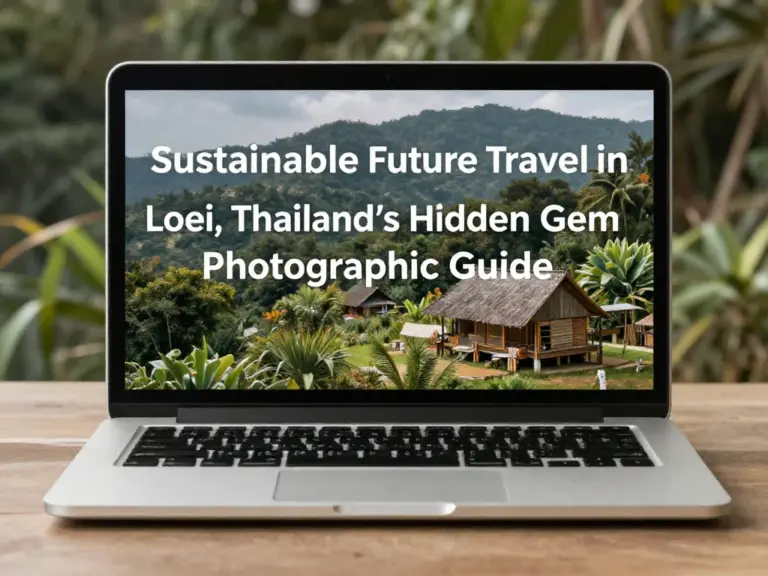
For photographers and content creators, Loei offers a stunning backdrop that demands a ‘leave no trace’ philosophy. From the sunrise views at Phu Thok to the vibrant traditions of the Phi Ta Khon festival in Dan Sai, the visual appeal is undeniable. However, capturing the beauty of these sites responsibly is critical. Sustainable photography means respecting sacred spaces, avoiding off-trail trampling, and using natural light to minimize the need for intrusive equipment. Photographers are now becoming stewards of the land, using their platforms to highlight the importance of protecting these biodiversity hotspots.
Comparing Traditional vs. Sustainable Tourism Models
| Feature | Traditional Tourism | Sustainable Tourism in Loei |
|---|---|---|
| Economic Impact | Leakage to foreign corporations | High retention within local villages |
| Environmental Focus | Mass consumption of resources | Conservation and waste management |
| Cultural Engagement | Performative, superficial interactions | Authentic, respectful cultural exchange |
| Tourist Density | High, leading to site degradation | Managed, low-density exploration |
Practical Tips for the Responsible Traveler
Planning a trip that aligns with sustainable principles requires intentionality. Here is a checklist to help you make the most of your journey to Loei while minimizing your footprint:
- Choose Eco-Certified Accommodations: Look for homestays or resorts that utilize renewable energy or have clear waste reduction policies.
- Support Local Artisans: Purchase souvenirs directly from local craftspeople in Dan Sai or Chiang Khan to ensure your money supports the local economy.
- Respect National Park Rules: Always stay on marked trails in Phu Kradueng and Phu Ruea to protect endemic plant species.
- Minimize Single-Use Plastics: Carry a reusable water bottle and shopping bag, as waste management in remote areas can be challenging.
- Travel Off-Peak: Visit during the shoulder seasons to reduce strain on local infrastructure and enjoy a more intimate experience.
The Role of Community-Based Tourism (CBT)
Community-Based Tourism is the backbone of the sustainable travel movement in Loei. By staying in village-run homestays, travelers gain insight into the daily lives of the Isan people, from agricultural practices to traditional weaving techniques. This model ensures that tourism development does not strip the province of its identity. Instead, it empowers residents to share their heritage on their own terms, providing a more authentic experience for the guest while protecting the integrity of the host community.
Conclusion
The future of sustainable travel in Loei is bright, provided that both visitors and local stakeholders remain committed to preservation. By choosing to travel mindfully, you contribute to a model that values the environment and culture as much as it values economic growth. As you explore this photogenic hidden gem, remember that your actions today help determine whether Loei remains a pristine sanctuary for generations to come.
Frequently Asked Questions (FAQ)
A: Absolutely. While it is less developed than Phuket or Bangkok, it offers a deeper, more peaceful look at Thai culture, making it ideal for those who prefer nature and quiet exploration over nightlife.
A: The cool season, from November to February, offers the clearest skies and the famous ‘sea of mist’ over the mountains, which is perfect for landscape photography.
A: Look for listings on official provincial tourism sites or platforms that specifically promote community-based tourism initiatives, which often highlight locally-owned and operated accommodations.
References
For more information on sustainable travel practices, visit the Tourism Authority of Thailand for official guidelines on responsible tourism in the Isan region.