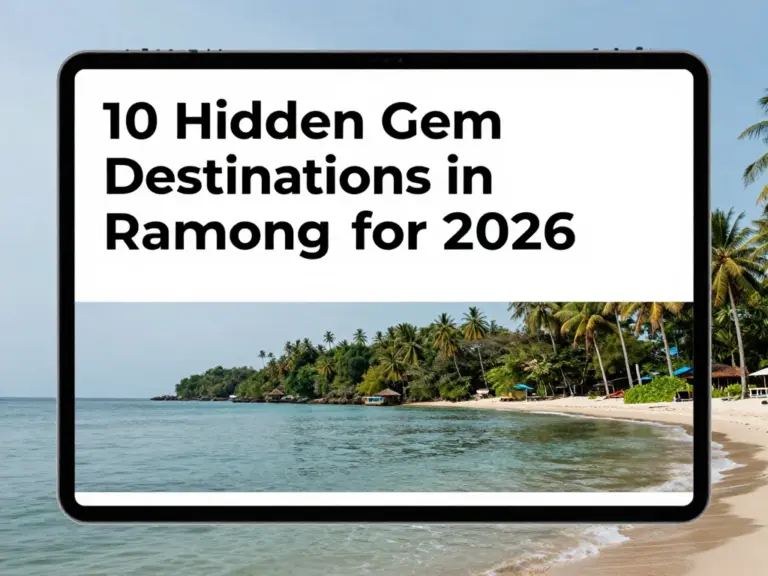
10 Hidden Gems in Ranong to Visit in 2026
Ranong, often overlooked in favor of its bustling neighbors like Phuket or Krabi, remains one of the last bastions of authentic, untouched beauty in Southern Thailand. As we look toward 2026, sustainable tourism and local immersion are becoming the gold standard for travelers. If you are seeking hidden gems in Ranong that offer serenity away from the mass tourism circuit, this guide will navigate you through lush rainforests, geothermal springs, and pristine archipelagos.
The Appeal of Ranong for Modern Travelers
Ranong is unique because it remains largely defined by its geography rather than its nightlife. It is the rainiest province in Thailand, which keeps its landscapes perpetually emerald-green. For the mindful traveler, this means access to hot springs, mangroves, and islands that feel like a private sanctuary. Whether you are a digital nomad looking for a quiet retreat or an eco-conscious explorer, Ranong offers a depth of experience that is rare in today’s travel landscape.
10 Must-Visit Hidden Gems in Ranong
Planning your 2026 itinerary requires more than just checking the standard boxes. Here are 10 locations that prioritize natural beauty and cultural integrity.
- 1. Koh Phayam’s Secret Coves: While Koh Phayam is gaining popularity, its northernmost beaches, like Ao Kwang Peeb, remain quiet escapes.
- 2. Ngao Waterfall: A towering, majestic waterfall visible from the highway, offering excellent hiking trails that lead to secluded pools.
- 3. Raksawarin Hot Springs: A local favorite where you can soak in natural volcanic water amidst a manicured park setting.
- 4. Koh Chang (Ranong): Not to be confused with the larger island in the Gulf, this quiet island is perfect for slow living and cashew nut farming tours.
- 5. Punyaban Waterfall: A multi-tiered waterfall perfect for a quick, refreshing stop while traversing the scenic mountain roads.
- 6. Ranong Canyon: A former tin mine turned into a serene, emerald-colored lake, ideal for photography and quiet picnics.
- 7. Hat Chan Damri: A peaceful beach overlooking the Myanmar border, excellent for watching sunsets without the crowds.
- 8. Laem Son National Park: Spanning a vast coastline, this park is home to untouched beaches and dense mangrove forests perfect for kayaking.
- 9. Koh Kam Tok: Famous for its distinctive sandbar that connects two islands, creating a stunning lagoon effect.
- 10. The Ranong Mangrove Forest Trail: An elevated wooden walkway that allows you to explore the complex ecosystem of the largest mangrove forest in Thailand.
Comparative Guide: When to Visit Ranong
Because Ranong is known for high rainfall, choosing the right time to visit is crucial for a successful trip. The table below compares the seasons to help you decide.
| Season | Months | Best For | Traveler Tip |
|---|---|---|---|
| Dry Season | Nov – April | Island hopping, kayaking, clear skies | Book accommodation in advance for peak months. |
| Green/Rainy | May – Oct | Lush scenery, hot springs, lower prices | Be prepared for short, intense downpours. |
Practical Checklist for Your 2026 Trip
- Check the ferry schedules to Koh Phayam and Koh Chang, as they are seasonal.
- Pack waterproof gear for cameras and electronics if visiting during the rainy season.
- Rent a scooter to explore the mainland gems, but ensure you have an international driving permit.
- Bring eco-friendly sunscreen to protect the delicate marine ecosystems.
- Carry enough cash; while ATMs are available in town, they may be scarce on smaller islands.
Conclusion
Exploring the hidden gems in Ranong is an exercise in patience and appreciation for the natural world. In 2026, as travelers continue to seek authenticity, Ranong stands out as a destination that rewards the curious. By respecting the local environment and engaging with the community, you ensure that these beautiful locations remain pristine for future generations.
Frequently Asked Questions (FAQ)
Is Ranong suitable for a family vacation?
Yes, Ranong is excellent for families who enjoy nature, quiet beaches, and educational experiences like mangrove forest walks, though it lacks the large-scale water parks of major tourist hubs.
Do I need a visa to visit the islands near the Myanmar border?
No, standard tourist visas for Thailand apply. However, keep your passport handy if you plan to take boat tours that navigate near maritime borders.
What is the best way to get to Ranong?
You can fly into Ranong Airport from Bangkok, or take a scenic bus ride from Phuket or Chumphon if you are already in the southern region.
References
Tourism Authority of Thailand Official Site
Department of National Parks, Wildlife and Plant Conservation