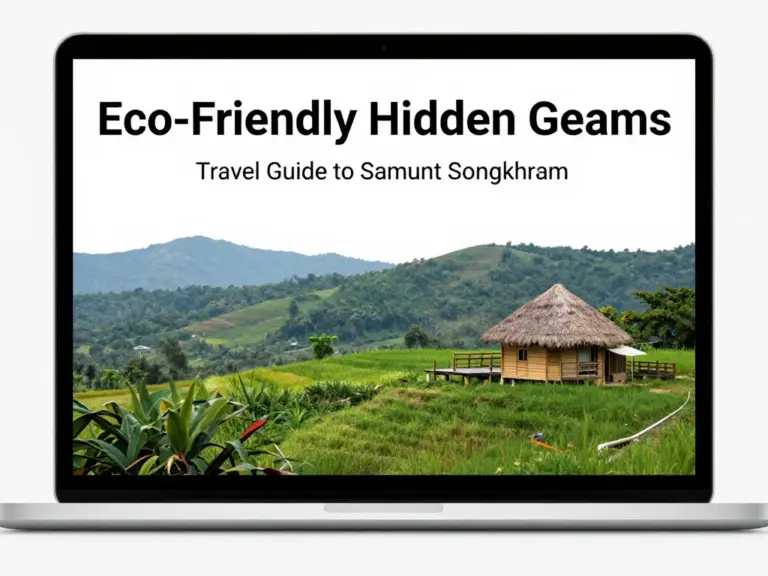
Samut Songkhram Travel Guide: Eco-Friendly Hidden Gems for Conscious Travelers
- Samut Songkhram Travel Guide: Eco-Friendly Hidden Gems for Conscious Travelers
Samut Songkhram, often overshadowed by its bustling neighbor Bangkok, offers a serene escape for those prioritizing sustainability and authentic cultural connection. This Samut Songkhram travel guide is designed for conscious travelers looking to minimize their environmental footprint while maximizing their engagement with local traditions, organic agriculture, and the intricate canal networks that define this unique province.
Samut Songkhram travel guide: Why Choose Sustainable Tourism in Samut Songkhram?
The province is a model for community-based tourism. By avoiding mass-market resorts and choosing homestays or locally-run guesthouses, travelers directly inject revenue into village economies. Samut Songkhram’s geography—characterized by mangroves, fruit orchards, and brackish waterways—requires a delicate balance, making it an ideal destination to practice low-impact travel.
Top Eco-Friendly Hidden Gems
Exploring Samut Songkhram means slowing down. Here are some of the best locations that emphasize nature conservation and cultural preservation:
1. Bang Phlap Community
Bang Phlap is arguably the gold standard for agro-tourism in the region. This community teaches visitors about the “circular economy” of their orchards. You can learn how they process pomelo peels into mosquito repellent or compost, and participate in bicycle tours that traverse traditional wooden bridges.
2. Khlong Khon Mangrove Forest
The mangrove forests here are vital ecosystems. Many local operators now focus on mangrove planting initiatives rather than just sightseeing. Engaging with these projects helps combat coastal erosion and provides a habitat for various marine species.
3. Amphawa Chaipattana Nurseries
This is a royal project dedicated to sustainable agriculture. It serves as an educational center where travelers can observe water hyacinth management and traditional farming techniques that rely on minimal chemical intervention.
Comparison of Travel Styles
| Travel Style | Eco-Impact | Local Benefit | Experience Depth |
|---|---|---|---|
| Standard Tour Bus | High (Carbon Footprint) | Minimal (Leakage) | Superficial |
| Community-Based Tourism | Low | High (Direct) | Deep Cultural Immersion |
| Solo Eco-Cycling | Very Low | Moderate | Flexible & Intimate |
Conscious Traveler Checklist
Before you embark on your trip, ensure you are prepared to travel responsibly:
- Bring a reusable water bottle: Most homestays provide refill stations.
- Support local markets: Buy seasonal fruits directly from farmers rather than imported goods.
- Respect the waterways: Avoid using non-biodegradable soaps if you are staying in a stilt house over the canal.
- Learn basic Thai: A few phrases go a long way in building rapport with hosts.
- Choose transport wisely: Use long-tail boats shared with others rather than private speedboats to reduce noise and wake pollution.
Minimizing Your Environmental Footprint
Transportation is a significant factor in your environmental impact. To explore the province, consider renting a bicycle. The flat terrain and network of concrete pathways through orchards make cycling a viable and delightful way to see the sights. When boat travel is necessary, ask your accommodation to book shared community boats, which helps consolidate trips and prevents unnecessary engine use.
Conclusion
Samut Songkhram is more than just a weekend market destination; it is a living laboratory for sustainable living. By choosing to visit with intention, you support a delicate ecosystem and a culture that is actively working to preserve its heritage. Use this Samut Songkhram travel guide as a starting point to create a trip that benefits both you and the community you visit.
Frequently Asked Questions (FAQ)
A: Absolutely. The province is safe and the community-based tourism model makes it easy to meet locals and other conscious travelers.
A: November to February offers cooler, drier weather, which is ideal for cycling and outdoor exploration.
A: Yes, prioritize homestays (Home Stay standards) that are certified by local community groups or the Tourism Authority of Thailand as sustainable.
References
For more information on sustainable travel practices in Thailand, you can visit the Tourism Authority of Thailand official website for guidelines on responsible tourism.